Stirling Tavern Reviews: Food, Rooftop, Drinks and Parking
Stirling Tavern reviews reveal what diners say about dishes, rooftop seating, drinks, wheelchair access, and parking before you choose a night out.

Stirling Tavern reviews are diners’ ratings and comments about the Morristown tavern’s food, drinks, atmosphere, access, and parking. The most useful feedback names specific dishes or details, and repeated patterns matter more than a single comment or star score; check rooftop availability, dietary needs, and parking before you go. These details help guests decide whether the tavern suits their plans and help owners respond to recurring concerns.
Picture picking a dinner spot after a long day. You skim the star ratings, scan a few comments, and try to guess whether the place suits your night. That quick check only works well when you know what to look for.
The short answer is that the most useful reviews are the specific ones, the ones that mention a dish, a seat, or a parking spot. This post pulls those details together for Stirling Tavern, covering food, the rooftop, drinks, accessibility, and parking.
Business owners can use the same habits to read, weigh, and respond to reviews of their own.
What Stirling Tavern Reviews Say Overall
Before you decide whether Stirling Tavern fits your plans, here’s what the reviews add up to, plus how to weigh them.
How the ratings stack up
Stirling Tavern holds a 4.0 star rating on Yelp from 612 reviews, a big enough sample to lean on. Vibes and consistency earn a 10/10, and it’s rated among the best spots in Morristown.
Judging review credibility is simpler than it sounds. Look for patterns rather than one stand-out comment, and check whether the same praise and complaints keep coming up. One glowing review is a mood. A pattern across hundreds is information.
Reviews can shape which local business people pick, and a research paper on online review recency calls online reviews influential information sources for people planning trips.
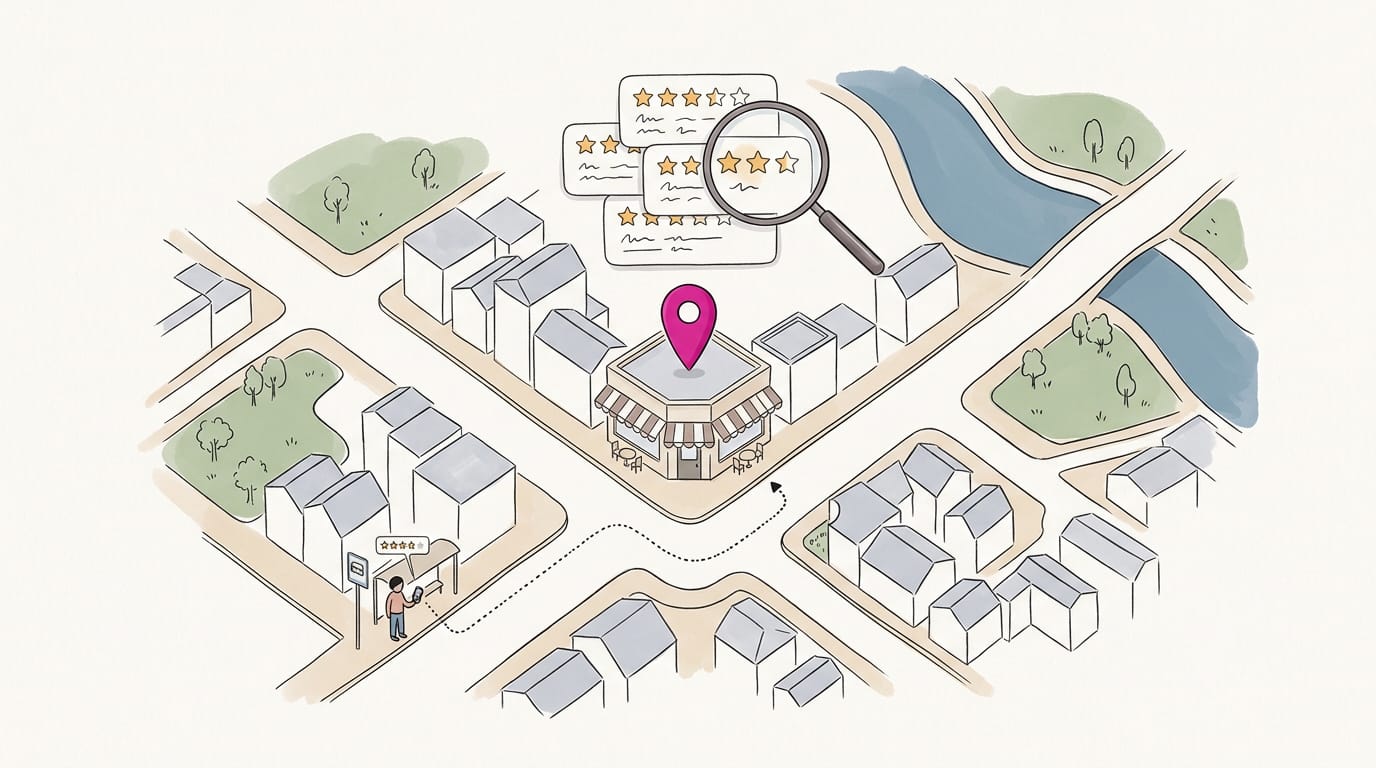
They also drive map-result clicks, so fresh reviews help you stay in the running when someone searches nearby.
If you run a spot like this, reply on each platform where you’re listed, keeping answers short, warm, and specific.
Picture a bar manager who spends ten minutes each Monday answering the week’s reviews, thanking regulars and addressing one specific complaint, so the next stranger scrolling the page sees someone paying attention.
Best occasions for a visit
- Casual hangout. An easygoing night out with friends.
- Happy hour. After-work drinks with coworkers.
- Mini date night. A low-key, shorter evening out.
- Brunch plans. A way to gather a group on a weekend morning.
Before you go, match the reviews to your plans: skim for people who came for the same reason you’re going, not just the stars.
What the Atmosphere Is Really Like
Atmosphere is the part of a meal you can’t read on a menu. Here’s what to know about the space before you pick a night and a seat.
Why the rooftop is the big draw
The rooftop is the main draw. It’s less about the view and more about the feel of the place. The seating mixes couches with high-tops (tall tables with bar stools), so you can settle in for a long conversation or grab a quick perch.
Reviewers describe the space as airy and cozy at once.
The rooftop isn’t always open, though. Availability can depend on the weather, so check before you plan a night around it. Picture a couple who drives across town for a roof table, only to find it closed.
A quick call ahead to ask about the rooftop and whether you can reserve there saves the trip. Bring a light layer, too, since outdoor evenings can turn cool.
Can you bring kids to dinner here?
Parents often ask whether a tavern suits the family, and the concern is fair. A lively bar area can feel loud and busy for little ones. The good news is there’s a dedicated kids menu, so younger diners have food made for them.
Think of a parent with a six-year-old calling ahead on a Saturday. Asking for a table away from the bar and confirming the kids menu means the evening starts calm instead of with a hunt for a seat. Ask first, and the night gets easier.
What to Eat on the Menu
Reviews get useful the moment they name a dish. Here’s the menu sorted the way a hungry guest would actually use it.
Crowd favorites, from burgers to wings
The burgers are the easiest place to start. Choose between the Stirling Burger, the Dry Aged Burger, and the Tavern Burger based on what you’re in the mood for. Then add the jumbo wings or the Mexican street corn flatbread for the table to share.
Appetizers, salads and entrees to try
- Starters: beef tartare, burrata, and oysters
- Salads: Caesar and Southwest
- Entrees: crab cake sandwich, tuna poke bowl, shrimp tacos, and falafel burger (a meat-free pick)
Pick one from each group and you’ve got a full meal without overthinking it.
Desserts, kids meals and lunch specials
Save room for the Tavern s’mores sundae or the Black midnight cake. Families can order the kids’ burgers and fingers, and the lunch specials and soup cover the midday crowd.
What reviewers recommend ordering
Reviewers recommend the spicy edamame, and the photos of the Korean BBQ ribs and pan seared scallops are worth a look.
Here’s where reviews earn their keep. Reviews that name a dish tell you what to order, while a star rating only tells you whether people were happy. Think of an office manager booking lunch for twelve.
She scans recent reviews for the lunch specials and soup, sees which dishes people name, and books with one phone call instead of three. Her team eats well, and she’s back at her desk before noon. Details beat stars.
What to Drink Here
Your drink order sets the tone for the whole visit, and it’s less about whether you drink and more about what suits the night. Here’s where to start.
Cocktails and alcohol-free picks
Start with the Aperol spritz. It’s an easy default when your group hasn’t decided yet, and it’s simple to order without overthinking it.
The N/aughty But Nice mocktail is for the night you want the same fun without the alcohol. Think of a group of four after a shift, where one person is driving. They order the N/aughty But Nice, and they still get to clink glasses with everyone else.
Nobody should feel left out of the toast.
Before you commit, scan the N/A beverages menu section. It’s easy to skip past, but it’s where the non-alcoholic options are gathered, so you can compare them in one spot instead of hunting through the full list. Ordering from it isn’t a compromise.
It’s just a different pick for a different night.
Not sure where to land? Ask your server which drink they’d choose for a first visit. A quick question beats guessing from the menu alone.
Dietary Restrictions and Wheelchair Access
Diners with dietary or mobility needs often decide before they book. Clear answers on your listing and at the host stand settle both questions fast.
Ordering gluten-free or with allergies
Look for three things before you order:
- Gluten-free-friendly category. A dedicated section makes safe choices easy to spot.
- Allergy menu section. A separate allergen list means you aren’t guessing from ingredient names.
- Check with your server first. Ask how the dish is prepared and whether the kitchen can keep your order separate.
The menu tells you what is in a dish. Your server can tell you how it’s made, including whether a fryer or cutting board is shared. That risk is called cross-contact, and it’s easy to miss on paper.
Picture a diner with a wheat allergy asking whether the fries are safe. The server checks, learns they share a fryer with breaded items, and suggests a side salad. The diner orders with confidence and never has to guess.
Ask first.
Is the tavern wheelchair accessible?
A specific answer lets guests plan. A general one sends them to the phone.
- Accessibility question asked. Treat each question as a sign of what your listing is missing.
- List accessibility details on your listing. Name the step-free entrance, the accessible restroom, and the route from the parking area.
Think of a wheelchair user planning a Friday dinner with friends. She checks the listing, sees the entrance and restroom details, and books without a phone call. The tavern gets a confirmed reservation, and nobody plays twenty questions.
Where It Is and Where to Park
Before anything else, guests want to know where they’re going and whether they’ll find a spot. Here’s what to plan for near 150 South St in Morristown.
Where can you park near 150 South St?
The address is 150 South St in Morristown, and the main option is street parking. Plan on looking for a spot rather than counting on one.
Think of a couple driving in from out of town. If they expect a lot and find only curbside spots, they’ll circle the block and arrive frazzled. If they know what to expect, they’ll leave a few extra minutes and walk in relaxed.
Nearby lots give you a backup when the street is full. So which is closest? That depends on your route, so check the map from where you’ll be driving in before you decide.
For a local business, the lesson is to tell people where to park, not just that parking exists. Consider a tavern manager who keeps hearing “Where’s the parking?” several times a night. Put parking directions on your listing, covering:
- Whether guests will find street parking
- Where the nearby lots are
- Which option to aim for first
Two clear sentences can answer that question before the phone rings. That’s all it takes.
Other Morristown Places Worth a Look
Reviews make more sense side by side. Reading nearby places the same way shows you what local diners expect.
Restaurants to compare it with
Here’s what to look for: review patterns, meaning what guests praise, what they complain about, and how owners respond. Start with these:
- Morristown Diner. Check whether reviewers mention speed, portions, or value.
- The Committed Pig. Notice whether food gets more mentions than service or wait times.
- 1776 by David Burke. Ask whether reviewers treat it as a special-occasion stop or an everyday one.
- Agricola Eatery. See how reviewers describe the atmosphere and whether they plan to return.
- Gluten-free spot list. Use it to see which places reviewers trust for gluten-free meals.
Think of a deli owner who sees reviews praising fast lunch service. She adds her lunch hours to her listing, so the office worker searching at noon finds a clear answer. Small change, real payoff.
Related searches like brunch and happy hour
Many diners start with search intent, the goal behind a search, and search for what they want before where. Each of these is a chance to meet a customer at the moment they’re deciding.
- Rooftop bars. Reviews describing the view show what rooftop searchers hope to find.
- Happy hour. Mentions of deals and timing show what draws an after-work crowd.
- Brunch. Comments on wait times show what a busy weekend morning looks like.
- Outdoor dining. Patio comments show whether outdoor seating is a reason people pick a place.
Picture a restaurant manager whose competitors’ reviews keep praising happy hour. She posts her own times on her listing, so the after-work crowd finds her first.
Reviews help most when you read them for details instead of stars. Look for specific comments about food, the rooftop, drinks, accessibility, and parking, then weigh them against what matters most to you on a given night.
Owners can take the same approach. Look for patterns that repeat, give the feedback real weight, and reply with a calm, specific answer that shows future customers someone is paying attention.
The stars give you a score. The details tell you whether to go.
References
- Contextual Effects of Online Review Recency: Three Research Propositions — pmc.ncbi.nlm.nih.gov (2020)
Sources
- Contextual Effects of Online Review Recency: Three Research Propositions, pmc.ncbi.nlm.nih.gov,