Instagram Marketing Strategy: A Complete Guide to Results
An Instagram marketing strategy can turn your profile into more calls and bookings, with setup steps, formats, and costs you can act on this week.

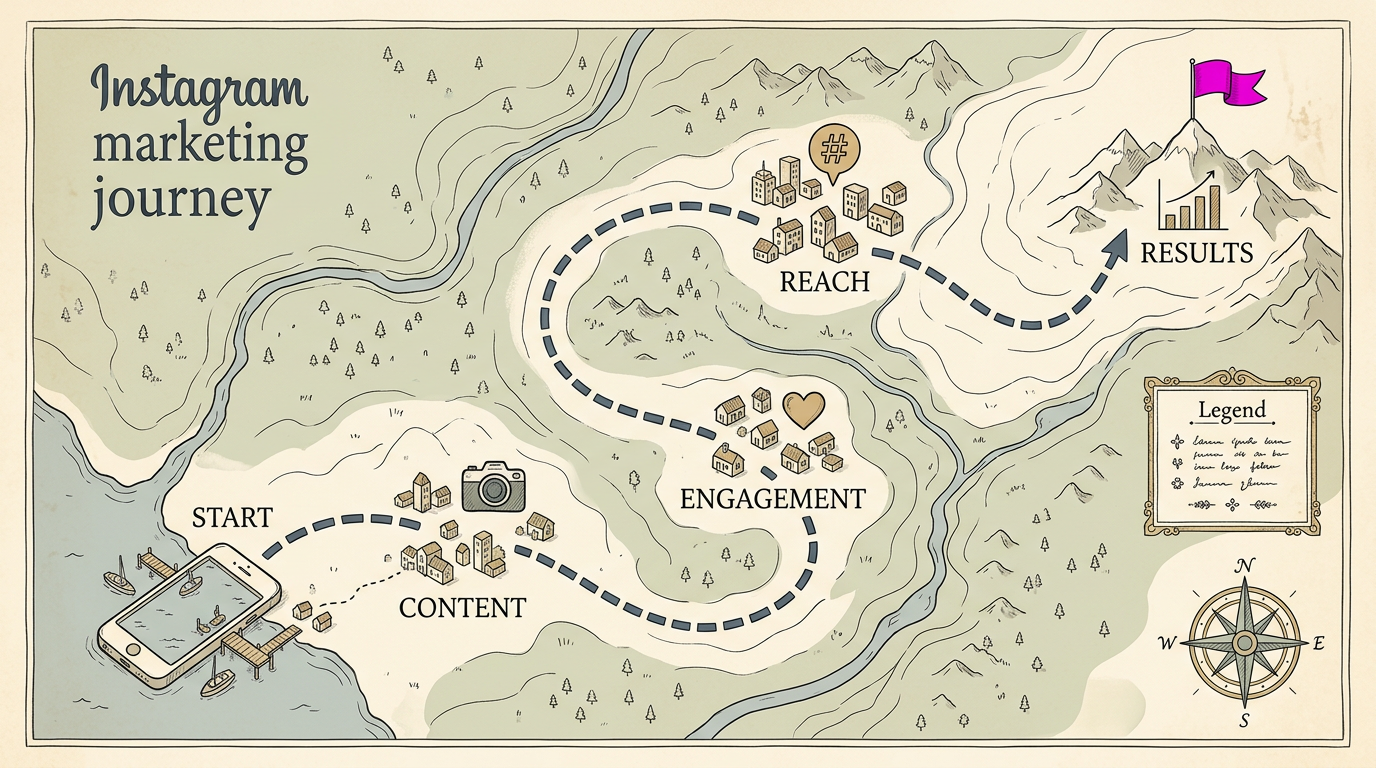
An Instagram marketing strategy is a practical plan for what to post, who you want to reach, and what action you want people to take next. It combines a clear profile, consistent original content across formats, daily replies, and a measured mix of free posts, ads, and partnerships, guided by audience response rather than trends. Track clicks, calls, and bookings as well as reach, then repeat what brings real customers and stop spending time or money on what does not.
Think of your Instagram account as a shop window on a busy street. Passersby give it a second or two, and that’s your chance to make them stop and step inside.
An Instagram marketing strategy is your plan for what goes in that window, who sees it, and what you want them to do next.
This guide covers setup, formats, the algorithm, and measurement, then shows how to turn it all into more calls and bookings on a small budget. Each step comes with the time and cost attached, so you know what to do this week.
Why an Instagram Marketing Strategy Matters
Before you post a single photo, know who’s scrolling and what they do next.
Who uses Instagram and how often
Instagram has 2 billion monthly users, per inBeat Agency’s roundup of Statista data. Meta’s July 2026 earnings call put Instagram’s daily active users (people who use it on a given day) at 2 billion.
The audience skews younger, with eight-in-ten adults ages 18 to 29 saying they use Instagram, according to Pew Research Center.
A Meta-commissioned holiday shopping study by Ipsos found that 64% of consumers who discover products on Instagram are likely to make a purchase. Those are social shoppers, and your next customer may be one.
What Instagram can do for your business
It helps in five main ways:
- Brand exposure and awareness. New people find your shop, clinic, or van in their feed.
- Visual content engagement. Photos and short videos stop the scroll and earn likes and comments.
- Brand relevance and values. Posts show what you stand for, which helps people choose you.
- Real-time customer engagement. Direct messages (DMs) let you answer questions as they arrive.
- Shoppability and return on investment (ROI). Shoppability means how easily people can buy what they see, and ROI shows whether your effort paid off.
What Instagram marketing really means
It’s less about posting and more about connecting. Instagram marketing means sharing real work and answering questions. That builds connection, grows awareness, and drives results.
Think of a salon owner who posts a color transformation video. A few viewers ask about openings, and new clients book by Saturday.
Other examples include a bakery sharing the morning’s batch or a restaurant posting weekend specials.
Show up consistently. That’s most of the job.
Get Set up and Plan Your Approach
Know who you’re talking to, and make your profile easy to say yes to.
Study your audience and competitors first
Start with a target audience persona: a short profile of the one person you most want to reach. Picture a family dental office whose ideal follower is a parent searching for a dentist nearby.
Note their age, location, worries, and what they’d type when they need you.
Then analyze your existing customer data, like booking records and common phone questions. Next, review competitor posting and content: what nearby shops post and what gets comments. You’re hunting for gaps, not copies.
Set up a professional business account
Switch to a professional account first, then work through these steps:
- Choose a business category that describes your main work, so people know at a glance what you offer.
- Optimize your bio, photo, and link. Keep the bio to a line about what you do, and point the link to where people book or call.
- Connect your Facebook Page so the two profiles are linked.
Consider a bakery owner whose bio says ‘Sweets and more!’ Change it to ‘Custom cakes, order ahead below’ and the next visitor knows exactly what to do.
Keep your brand voice consistent and honest
Define your tone of voice in a few words, such as warm and direct. Then build brand consistency with the same colors and photo style on every post. Consistency is less about what you post and more about how it sounds.
Be transparent. Say when a post is paid, when a photo is staged, or when your hours change.
Cut through ad clutter. Followers see promotions all day, so a plain, specific post often stands out. Consider a salon owner who shares a real photo of this week’s open chairs. Specific beats slick.
Templates and frameworks for planning
Start with a social media strategy workbook that holds your persona, tone, and posting schedule. Audit and plan templates help you check your current profile and map out the next few weeks of posts.
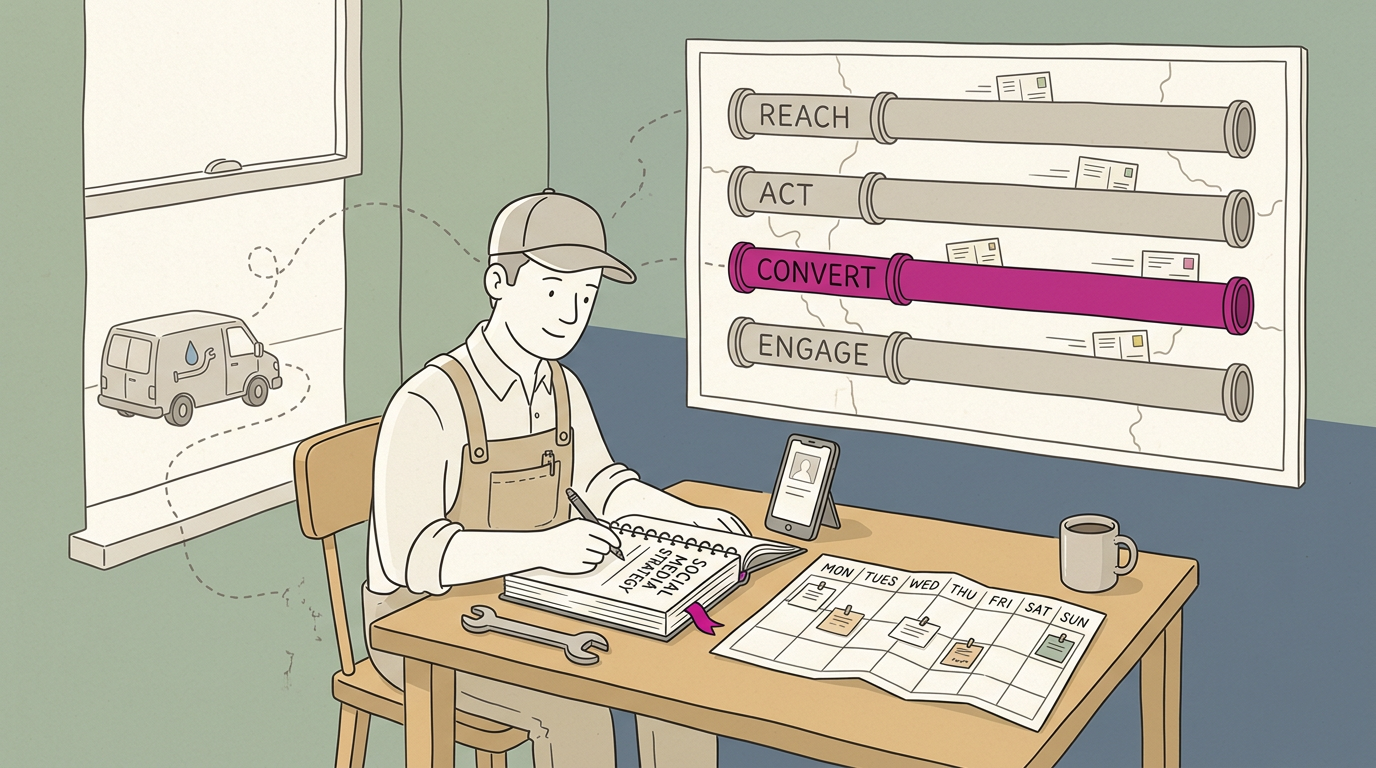
The RACE (Reach, Act, Convert, Engage) planning framework sorts each post by its job, from reaching new people to engaging current followers.
Consider a plumber who fills in the workbook on Monday morning, so the rest of the week runs on that plan.
Choosing the Right Formats and Features
Each format reaches people differently, so the right mix beats chasing trends. Here’s how to use each one, plus the 5-3-1 and 4-1-1 rules.
Make Reels that reach new people
Reels are the format to lean on for discovery. According to inBeat’s roundup of Meta statistics for 2026, they make up 50% of all time spent on Instagram. Think of a dental office posting a short clip that explains what a cleaning feels like.
A parent scrolling at lunch might book after seeing it.
Connected reach is people who already follow you. Unconnected reach is everyone else the platform shows your Reel to, and that’s how new people find you.
Two things decide whether a Reel travels:
- The hook is what viewers see in the first few seconds.
- Watch time measures how much of it they sit through, so focus on how long people watch rather than how many press play. Trim anything that makes them drop off.
Using carousels and Stories well
Carousels hold up to 20 slides, which suits behind-the-scenes photo dumps, like a bakery showing its morning bake.
According to Aubrium’s breakdown of what Meta measures, swipes can inform ranking, since the signals include how many cards people view and how many times they swipe. Each swipe keeps people on your post.
Stories are your tool for direct interaction. A research paper, To Last Long or to Fade Away, found they help people build deeper relationships and extended interaction. Try a poll or question sticker, then reply to every answer.
Team up through collabs and shout-outs
A collab post is one post shared across two accounts. Look for audience overlap, since fit matters more than follower count: a physical therapist who partners with the running store down the street reaches runners who live nearby.
Only partner with accounts you’d genuinely recommend, and start with one collaborator, since several at once make it hard to tell which one worked.
Shout-outs come in two kinds. A shout for shout (S4S) is a swap where two accounts promote each other. A paid shout-out means paying an account to promote you. Check its audience first, or the spend is wasted.
What is the 5-3-1 rule for Instagram?
The 5-3-1 rule is a mix guide. Spread your posts across formats on purpose instead of repeating one:
- Mix Reels, carousels, and Stories as your core.
- Use static posts (single photos) for announcements.
- Align the mix with your content calendar, your schedule of what you’ll post and when.
The 4-1-1 rule is a similar balancing guide, so check your mix against your calendar and goals.
Blending Free Posts, Ads, and Influencers
A mix works best: free posts build trust, small ads reach nearby people, and creators lend an audience you don’t have yet.
Growing your brand with free content
Free content is any post you share without paying to promote it. Picture a bakery posting a short video of the morning’s first batch coming out of the oven. Nobody’s being sold anything, yet viewers start to recognize the name when they need a cake.
Steady posting builds brand awareness and loyalty. Replies and photos from customers show what they love, so post more of it. The goal isn’t more posts. It’s steady ones, kept up for months, and that’s how brands grow.

Target ads to waste less money
Targeted delivery lets you choose who sees your ad by age, location, and interests. That’s less wasted ad spend, since money goes to people who could visit. Radius targeting draws a circle around your shop, so only nearby people see the ad.
A plumber can match that circle to the area they cover.
Detailed performance metrics show which ads drew clicks, so you can pause the weak ones.
Does Instagram business cost? It depends on what you add. Free posts cost time, and ads cost the daily budget you set. Start small with a stopping rule, such as pausing any ad that brings no calls or bookings after a week.
Choosing the right influencer partners
Popular users work best when their audience matches yours, and fit beats follower count. Micro-influencers have smaller followings but often a closer bond with them. Niche creators focus on one topic, like local food. Weigh each one by:
- Budget: what you can afford.
- Reach: how many people see their posts.
- Engagement: comments and likes, relative to followers.
A sponsored post is one a creator makes for pay. A salon owner might pay a local stylist with a modest following for a before-and-after post, then watch for bookings that mention it.
Selling products right inside Instagram
An in-app shop lets people browse and buy your products without leaving Instagram. Setup means adding your items with photos and prices.
Product tags link an item to a post, Story, or Reel, so viewers can tap and see what you’re selling. A candle maker can tag a scented candle in a Reel, and viewers can buy on the spot.
Conversion, the moment someone actually buys, gets easier with fewer obstacles. Every extra step is a chance to give up, so keeping the purchase in the app helps more people get from interested to done.
Win with the Algorithm Through Engagement
Instagram decides which posts reach a viewer’s feed, and your audience’s reactions help shape that.
What the algorithm rewards most
User interest and behavior. Ranking reflects users’ interests and how they engage, as a research paper on influencer marketing notes. Post what your audience already likes, not what you wish they’d watch.
Engagement velocity. That’s how fast a post collects likes, comments, and shares after going live. Popularity is a ranking signal, so a quick start helps.
Creator-audience relationship. The ranking also considers each viewer’s history with your profile, so loyal followers matter.
Content originality. Your own photos give people something real to react to. Stock images rarely spark replies.
Four-step ranking process. The ranking takes four kinds of information into account:
- Post data: popularity, location, and video length.
- Account data: likely viewer interest in your account.
- Viewer activity: posts they’ve liked before.
- Viewer history: past interactions with your profile.
Build relationships by engaging every day
Reaching 10,000 followers is a daily routine: reply fast, show up in comments, and post what people want to share.
Daily community interaction. Spend a few minutes a day liking and commenting on customers’ posts. A bakery owner who answers every comment within the hour might turn one curious commenter into a Saturday pre-order.
Reply to comments and DMs. Answer every comment and message, even simple questions about hours. That quick reply can be the step from question to booking.
Acknowledge user-generated content. Photos customers share about you deserve a public thank-you. Repost with permission and tag them. It’s less about your posts and more about theirs.
Track mentions with tools. Use a mention tracker or check tagged photos daily so no mention slips by.
Test and track what actually works
Weekly content audits. Each week, note which posts drew the most comments and which fell flat.
Test posting times. Post at different hours and log which bring replies. A dental office whose Thursday evening tips draw more parent comments than its Tuesday posts moves its best content to Thursday.
Test caption styles. Compare a short caption with a longer, story-style one, and ask callers how they heard about you.
Document findings. Log dates, times, captions, and results in a simple spreadsheet. Patterns are easier to spot than memory allows.
Keep up when the algorithm changes
Follow official Instagram channels. Get change news from Instagram’s own announcements, not rumors.
Avoid shortcuts and manipulation. Fake followers and purchased likes come from people who’ll never visit your shop. Choose real engagement over inflated numbers.
Favor authentic original content. Regulars recognize your real voice. Authentic beats clever.

Measuring What Your Strategy Delivers
Posting is only half the job, so here’s how to tell what’s working.
Which numbers are worth tracking
Start with engagement rate, the share of viewers who liked, commented, saved, or shared a post. Reach counts unique accounts that saw a post, and impressions count total views. Follower growth matters as a trend, not a trophy.
Click-through rate shows how many viewers tapped your link or call button.
Here’s the catch: likes feel good, but bookings pay the bills. Tie every number to sales, not vanity. Say a salon owner sees booking-link taps spike after her Reels, so she posts more of them and fills more chairs.
There’s no fixed follower count that earns $1,000 a month. Divide that goal by what an average customer spends to get your bookings target, then use your own click-through and booking rates to see how many followers it takes.
Reading your numbers in Instagram Insights
Insights only works on a professional account, so switch first if you’re on a personal one. Open your professional dashboard and look for Insights. Change the timeframe to tell a one-off from a real trend.
Then use the breakdown views to see which content types and audiences respond. Tap any post for its per-post insights.
Pulling reports and comparing competitors
Save your numbers each month by exporting them or copying them into a spreadsheet, so you can compare this month to last. Block out a recurring review on your calendar so the habit runs itself.
For competitor benchmarking, pick three or four similar local businesses and note how often they post and which posts draw comments. If a rival’s Reels draw more comments, borrow the format, not the wording.
Tools and Agencies That Can Help
Here’s how to pick software, use artificial intelligence (AI) for drafts, and know when an agency fits.
Picking the right Instagram tool for you
Look for these five:
- Advanced analytics: Shows which posts earn saves and profile visits, not just likes.
- Automated scheduling and publishing: Queues posts for slow afternoons and after closing.
- AI content recommendations: Suggests topics based on what followers respond to.
- Community management: Puts comments and messages in one inbox.
- Social commerce integration: Lets people book or buy without leaving the app.
The best tool is the one you’ll use weekly, not the one with the longest list.
Drafting content with AI and human review
Give a tool a short brief, like ‘spring cut special, book by Friday,’ and it returns several caption variants to pick from. Some also suggest personalized posting windows, based on when your followers are online.
Think of a salon owner who tells the tool about a holiday color special. She picks the caption that sounds most like her, and it’s live before lunch.
Always review drafts before they post, since AI can miss local details or get a price wrong. Your eyes catch what software misses.
Let the tool draft, but you make the final call.
Hiring an agency as a growth partner
Some owners would rather hand off the whole job.
An agency can take over your posting calendar and social listening, which means watching for mentions and tags so you can reply fast. Choose a growth marketing partner that measures calls and bookings, not follower counts.
Consider a dental office manager who gives the calendar to an agency. Each week she gets a short report on which posts led to booked cleanings, so she can focus on patients.
Hiring help should be about results, not posts.
Put the pieces together and an Instagram strategy stops being guesswork. Your setup tells people who you are, your formats give them a reason to look, and your budget goes only toward what fills the calendar.
Measure what happens, keep what works, and drop the rest.
Start this week with one fix, like tidying your profile or posting a short video, and build from there.
Your next customer is already scrolling past. Make sure they stop.
References
- Areas of influence in influencer marketing. To what extent is the communication under brand control? — doi.org (2022)
- To Last Long or to Fade Away: Investigating Users’ Instagram Post and Story Practices — dl.acm.org
- 96 Meta Statistics for 2026: Users, Revenue & Ads | inBeat — inbeat.agency
- Americans’ Social Media Use 2025 — pewresearch.org (2025)
- Meta Platforms, Inc. (META PE) Q2 FY2026 Earnings Call Transcript - July 29, 2026 — roic.ai (2026)
- Meta Says Holiday Marketing Starts Now — jckonline.com (2026)
- Carousels vs Reels vs Static: What Meta Measures — aubrium.com (2026)
Questions
What is the 5-3-1 rule for Instagram?
The 5-3-1 rule is a guide to varying your Instagram content rather than repeatedly posting one format. Use a mix of Reels, carousels, and Stories, reserve static posts for announcements, and plan the mix in your content calendar around your goals.
What are the 5 main marketing strategies?
Five main marketing strategies are brand exposure and awareness, visual content engagement, showing your brand’s relevance and values, real-time customer engagement through direct messages, and shoppability that supports return on investment.
How to grow 10,000 followers on Instagram?
There’s no guaranteed shortcut to 10,000 followers. Post consistently, use Reels to reach new people, share original content your audience wants, reply to comments and messages, engage with your community daily, and track which posts lead to shares and follows.
How many followers do you need on Instagram to make $1000 a month?
There’s no fixed follower count that guarantees $1,000 a month. Work backward from your average customer spend to calculate how many bookings or sales you need, then use your own click-through and conversion rates to estimate the audience required.
Why is Instagram important for marketing?
Instagram helps businesses reach new people, engage audiences with visual content, show their values, answer customer questions through direct messages, and make products easier to discover and buy. It can also help drive calls, bookings, and sales.
Does Instagram business cost?
A professional Instagram account is free. Organic posts cost time, while advertising and paid creator partnerships cost money; you choose your ad budget and can start small.
Sources
- 96 Meta Statistics for 2026: Users, Revenue & Ads | inBeat - inBeat Agency, inbeat.agency
- Americans’ Social Media Use 2025 | Pew Research Center, pewresearch.org,
- Meta Platforms, Inc. (META PE) Q2 FY2026 Earnings Call Transcript - July 29, 2026 | Roic AI, roic.ai,
- Meta Says Holiday Marketing Starts Now, jckonline.com,
- To Last Long or to Fade Away: Investigating Users' Instagram Post and Story Practices, dl.acm.org
- Carousels vs Reels vs Static: What Meta Measures | Aubrium, aubrium.com,
- Areas of influence in influencer marketing. To what extent is the communication under brand control?, doi.org,