How to Advertise Your Business: A Complete Guide
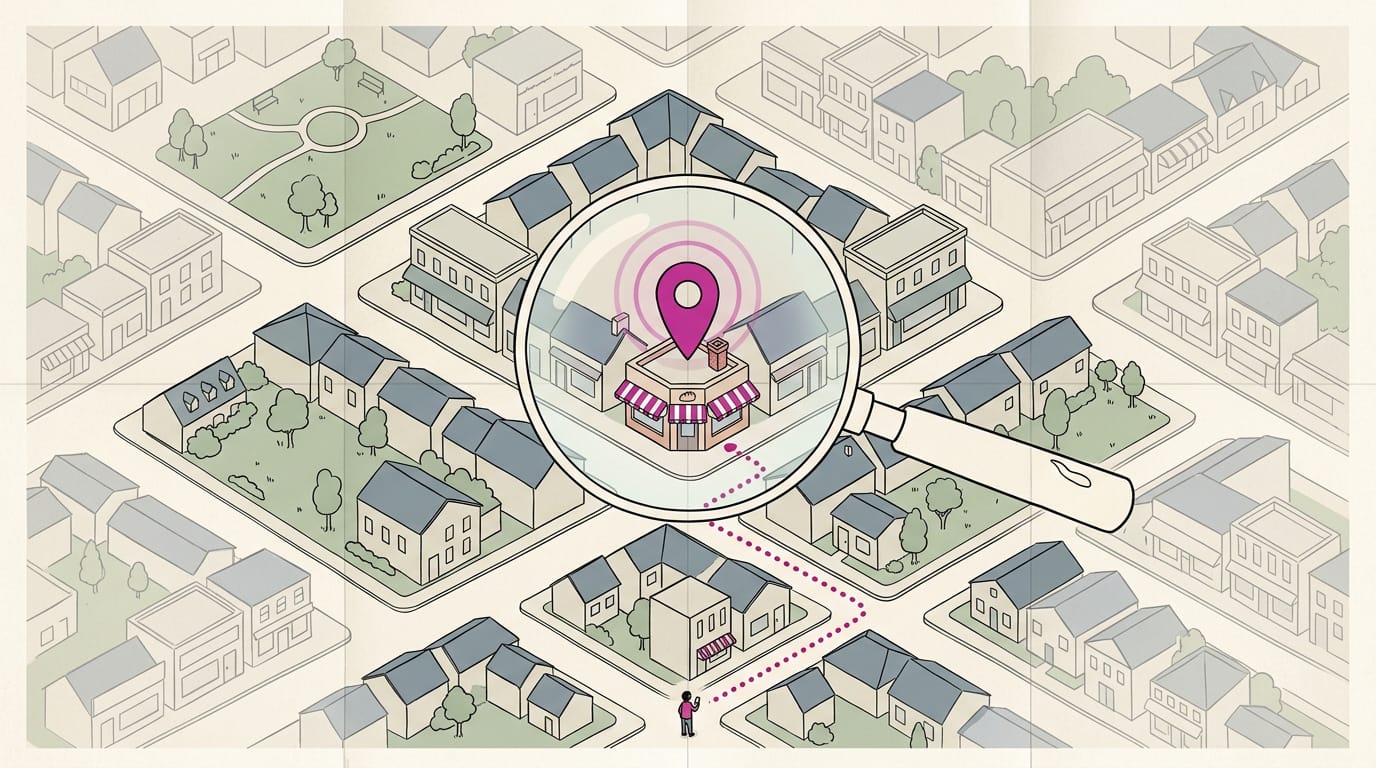
How to advertise your business starts with being easy to trust: set up a map listing, earn reviews, and build a plain website before paying for ads.

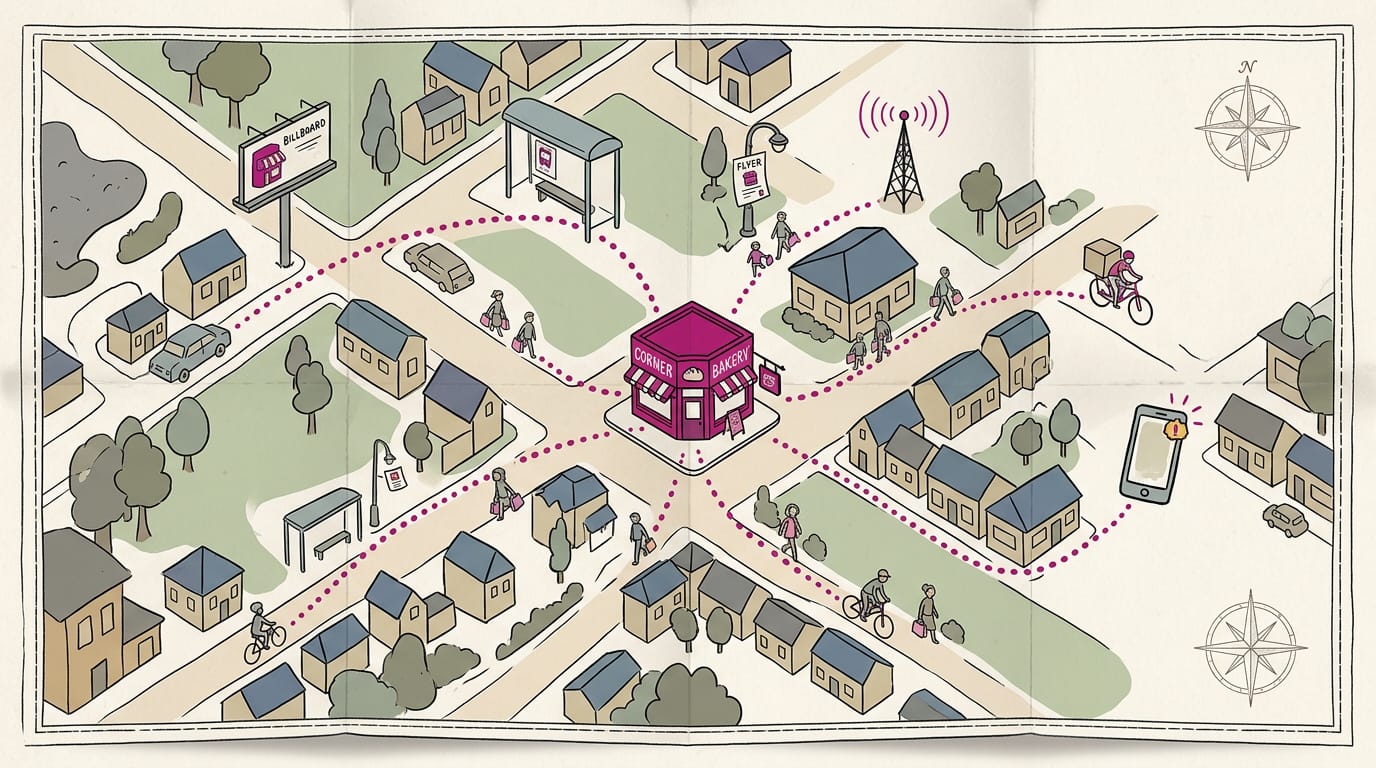
Advertising your business means helping likely customers find you, trust what you offer, and take a clear next step, such as calling or booking. Start by understanding your customers, setting a budget, and making your map listing, reviews, and mobile-friendly website accurate; then add local promotion, referrals, search, social, email, or paid ads that suit your audience. Track calls and bookings against costs, keep what works, and adjust or stop what doesn’t.
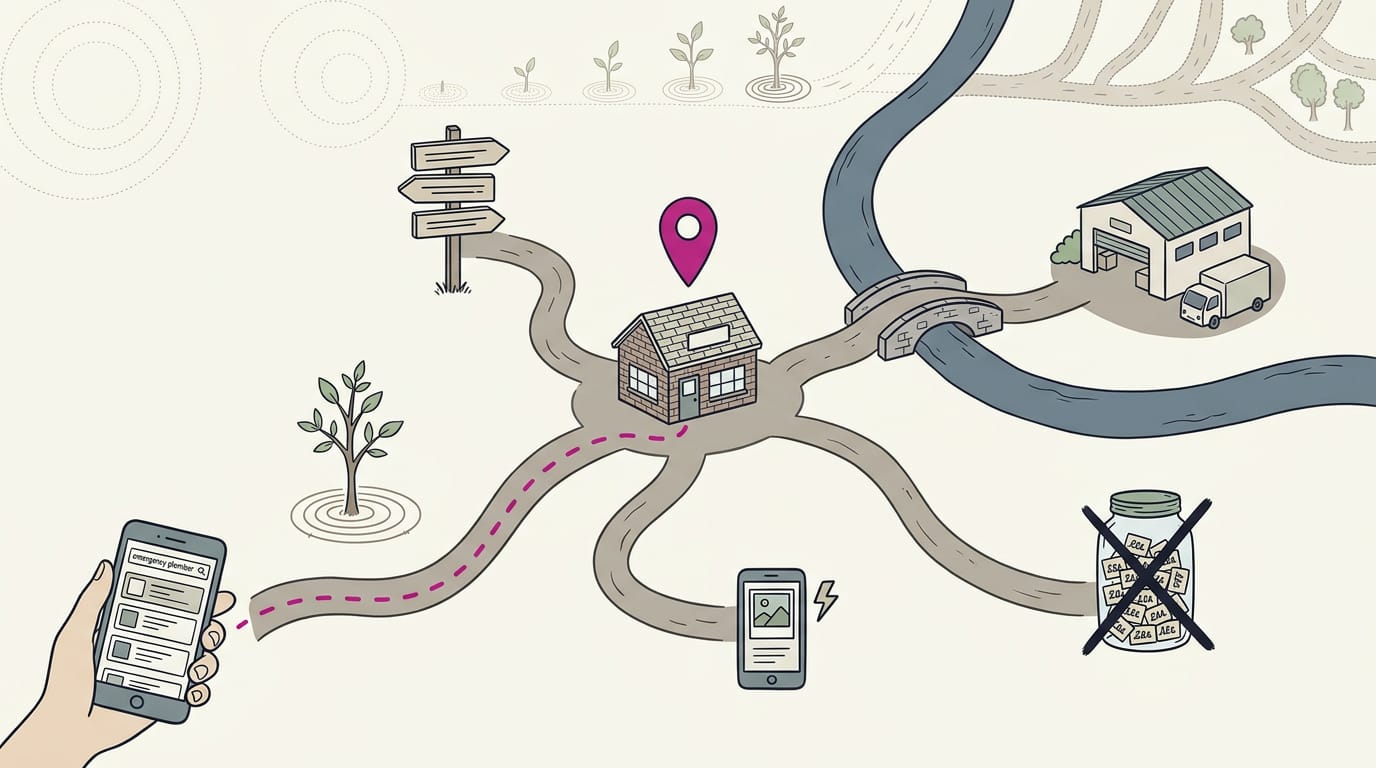
Think about the last time you needed a plumber at 9pm. You probably searched your phone and called the one that looked close and trustworthy. That’s advertising in practice: helping the right people find you and choose to call.
You don’t need a big budget to do this well. Channels vary widely in cost and payoff, so we’ll sort each option, from local and referral to social, search, paid, and email, then show you where to start: a map listing, reviews, and a plain website first.
Planning How to Advertise Your Business
Good advertising starts with planning. Here’s the order: know your customer, set a budget, shape your brand, then pick channels. The main types we sort are local, referral, social, search, paid, and email.
Pinning down your ideal customer
Start with market research: ask customers why they chose you, read your reviews, and listen to what people ask on the phone. Your ideal customer is the person most likely to book.
Describe them with demographics (age, income, location) and psychographics (the habits and worries behind their choices). Check the phrases people search and the forums where neighbors swap recommendations.
Then focus on your relevant service area: where most customers already live.
Set your budget and define success
There’s no universal budget, so set a fixed monthly amount and a schedule showing which channel runs when. Check what competitors rank for and promise. Count bookings and calls, not impressions, to define success. Spread the budget by cost and payoff:
- Map listing, reviews, and a plain website. Start here, since they catch people already searching.
- Paid and social. Add these once the basics bring in calls.
A salon owner who tracks monthly bookings can see whether a holiday ad worked and cut what didn’t. That order suits a plumber or a restaurant too.
Shaping how your brand looks and sounds
Use the same logo, colors, and typography on your sign, van, listing, and website so people recognize you fast. Keep your brand voice consistent too, whether friendly and direct or calm and formal.
Lead with benefits over features: customers care what they get, not what the service is. End every ad with one call to action, like “Call now for same-day service.” One clear ask beats three.
Your Website, Content and Search Rankings
Your website is where curious customers decide to call. Make it easy to use, then add helpful content.
A website visitors actually want to use
Start with a site that loads fast on a phone and answers what people ask at the counter. If your hours and booking button sit up top, visitors won’t dig.
Keep content user-friendly and relevant, with one clear next step per page. Selling online? Keep your online store simple. Free website builders can get you live without hiring a developer.
Show your phone, address, and recent reviews up front. That’s the aim: a site that serves visitors, not one that just looks finished.
Publishing helpful content and blog posts
A blog post or how-to answers questions customers already ask, like “How long does a brake inspection take?” Then point readers to your booking page.
Videos and infographics, like a 60-second clip of a common fix, help too. A case study or testimonial, shared with permission, shows your work in a customer’s words.
Consider a plumber who posts a video on why water heaters leak. The next homeowner who finds it calls that business first. Build trust and expertise by teaching, not pitching.
Getting found in search engine results
Five habits help search engines understand what you do:
- Keyword research. Find the words customers actually type, like “emergency plumber.”
- On-page elements. Titles, headings, and descriptions tell search engines what each page covers.
- Page speed and images. Shrink big photos so pages load fast on phones.
- Backlinks. Links from other local sites, like a supplier, help search engines trust you.
- Avoid keyword stuffing. Repeating one phrase reads like spam to people and search engines.
Rankings build slowly, so treat search as a long-term investment. Patience pays.
Promoting Your Business on Social Media
Social media can feel like one more chore, but a few well-chosen accounts keep your name in front of nearby customers. Here’s what we’d start with.
Choosing and setting up your social platforms
You don’t need every app. Start where your customers already spend time:
- Facebook suits events and hours.
- Instagram suits businesses with photos worth sharing.
- LinkedIn fits business-to-business services.
- TikTok reaches younger audiences with short videos.
- YouTube works for longer how-to content.
Ask regulars which apps they use, then set up a free business page on each platform you choose. Fill in your hours and phone number so they match your Google listing.
Keeping followers engaged with regular posts
A steady rhythm of one or two posts a week keeps followers watching, while a burst followed by silence doesn’t. Consistency beats volume. If keeping that rhythm is hard, Postbae’s roundup of social media management tools for small business compares schedulers that queue posts ahead of time.
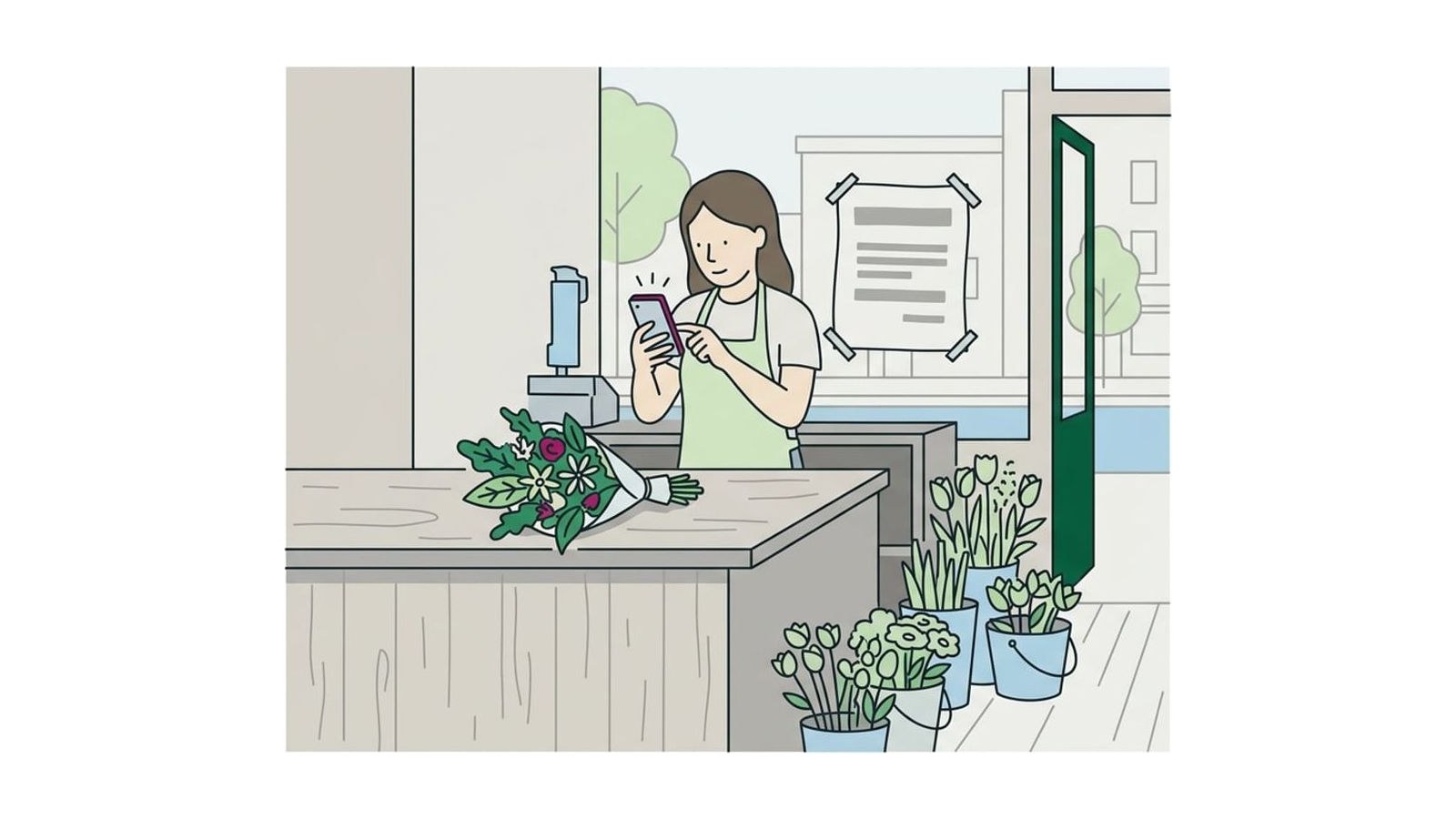
Share quick updates and well-lit photos against a clean background. Picture a florist who posts one finished bouquet every Friday. Soon customers ask for that arrangement by name, and weekend orders arrive before the shop opens.
Short video tutorials answer the questions you hear all week. Reply to comments within a day, since a quick thank-you shows a real person runs the page. Hashtags help people find your posts, but conversations make them stay.
Are paid social ads and influencers worth it?
Paid social ads let you target the audience you want and measure campaign performance against the objectives you select. A research chapter on measuring Facebook marketing effectiveness describes the aim as connecting social media goals with analytics.
Set one goal, such as calls or bookings, and a monthly budget you can afford. Check the numbers weekly.
Influencers work when their followers match your customers, so who is watching counts more than how many.
Ads work best alongside regular posts, not instead of them. Is social advertising effective? It can be, when it’s tied to a measurable goal.
Protecting personal details and kids’ profiles
Keep your personal details off business pages, including home addresses and personal phone numbers. Ask permission before posting a customer’s photo.
If your business features kids, like a dance studio or youth team, get written parental consent before posting their photos or creating a profile. Keep those forms on file.
Promoting Your Business in Your Neighborhood
Most neighborhood promotion costs little more than your time. Ten low-cost ways to promote your business are:
- a free Google Business Profile
- Nextdoor
- community notice boards
- flyers and posters
- business cards
- cross-promotion
- networking
- press releases
- volunteering
- workshops
Getting involved in local events and groups
- Local fairs and markets. A bakery owner with a Saturday market booth can take pickup orders for Monday.
- Sponsor events or charities. A banner at a youth league or charity event is a small first step.
- Volunteer and join groups. Volunteer or join a neighborhood association. It’s less about how many people see you than about who remembers you.
- Run workshops. A salon owner’s free talk on at-home hair care draws people who already trust her skills, and they’re the likeliest to book next.
Showing up in local online searches and maps
- Free Google Business Profile. Claim it and fill in your hours, services, and photos.
- Local pack and maps. The local pack is the three-listing map block that tops nearby searches.
- Local SEO. Short for local search engine optimization, it means being the business people find first nearby.
- Nextdoor and community groups. Nextdoor is a neighborhood app. Answer neighbors’ questions, and don’t pitch unless it truly fits.
- Complete map listing before any ads. Finish your listing first, then pay to promote it.
Using flyers, posters and local media
- Flyers and posters. Keep one clear message on each, with what you do and how to call.
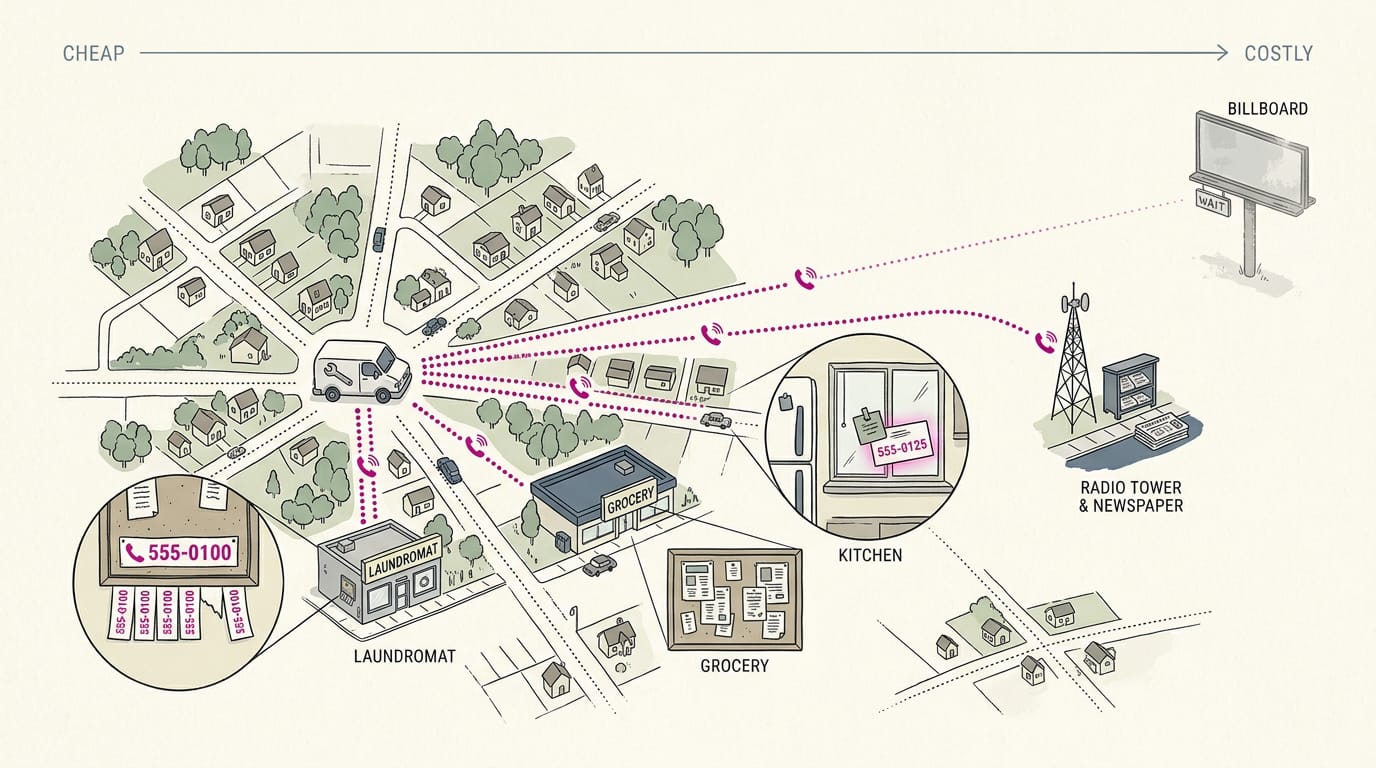
- Community notice boards. Try libraries, laundromats, and grocery stores, and use tear-off tabs with your number.
- Business cards. A plumber who leaves a card after each job has a number on the fridge for the next leak.
- Local radio and newspapers. These cost more, so test a small placement and ask callers where they heard of you.
- Billboards. The costliest option here, so wait until cheaper channels bring in calls.
Earning press and partnering with nearby businesses
- Press releases to local media. Send a one-page release when you open or hit a milestone. It costs only your time.
- Cross-promotion with businesses. A florist and a wedding photographer can each display the other’s card.
- Avoid direct competitor partners. Partner with businesses that serve the same customer, not the same service.
- Networking. Meet two or three people per event, then follow up within a few days.
Earning Referrals and a Strong Reputation
Happy customers can sell for you, but only if you ask.
Rewarding customers who refer friends
Most happy customers won’t refer a friend unless you ask. Make it easy at the counter or in your follow-up text: “Know anyone who could use us?”
Pair that ask with a referral reward program. According to a 2007 study by Gangseog Ryu and Lawrence Feick, programs that ask existing customers for recommendations and reward them with discounts can support word-of-mouth growth.
Collecting and managing online reviews
Start with Google reviews, and add Trustpilot or Feefo if your customers use them too.
When a bad review lands, reply calmly and say how you’d make it right. Your reply is for future readers, not just the upset customer.
Turn your best testimonials into website and counter content, with the customer’s permission.
Consider a salon owner who texts a review link as each client pays, so the request arrives while the visit is fresh. Ask after every job, not just the ones you’re sure went well. Silence doesn’t bring reviews.
Showing customers they can trust you
Share your service details and pricing where people can find them. Clear prices answer questions before anyone has to ask.
Display the licenses, certifications, and insurance you hold, since these credentials show you take reliability and safety seriously.
If you’re a young owner, ask a parent or older relative who’s well known in town to introduce you to their network.
Think of a young electrician whose father runs the local hardware store: when dad introduces him to regulars, his first calls come with a built-in endorsement. Borrowed trust gets you the first call. Your work earns the next one.
Offering deals that draw new customers
Here are four offers to consider:
- First-time client discounts. They give hesitant people a low-risk reason to try you.
- Seasonal deals. Tie offers to a winter check-up or a back-to-school tune-up so people have a reason to book now.
- Giveaways and competitions. Pick a prize your ideal customer actually wants, not just any prize that draws entries.
- Bundle deals. Combine two services at one set price so the total is easier to say yes to.
Paid Ads That Reach People Online
Paid ads put your business in front of people who are searching now. Here’s how we’d sort the main formats.
Paying per click for search ads
Search ads on Google Ads and Bing Ads appear when someone types a term you’ve bid on. Think of a plumber who bids on “burst pipe repair” and writes ad text about same-day visits.
Broad terms like “plumber” bring clicks from people who’ll never hire you, so keep your keywords specific.
The landing page is where the click lands. A slow page or hidden phone number wastes it. The ad earns the click, but the page earns the call.
You pay cost per click (CPC) each time someone clicks, so set a monthly cap before launch.
Banner ads and remarketing across websites
Banner ads are image-and-text boxes on other websites, and the Google Display Network runs them across many of those sites. Contextual targeting places them on pages about related topics.
Remarketing shows ads to people who already visited your site, like a dental patient who browsed whitening prices and later sees a reminder to book.
Display ads can also be priced three ways:
- CPC: you pay each time someone clicks.
- CPM (cost per thousand impressions): you pay for every thousand views, which suits building awareness.
- CPA (cost per action): you pay only when a result happens, like a booked appointment.
Choosing native and video ad formats
Native advertising is styled to match the page around it, like a sponsored tip that reads like the site’s own content. Video ads play before or during online videos and show your work in motion.
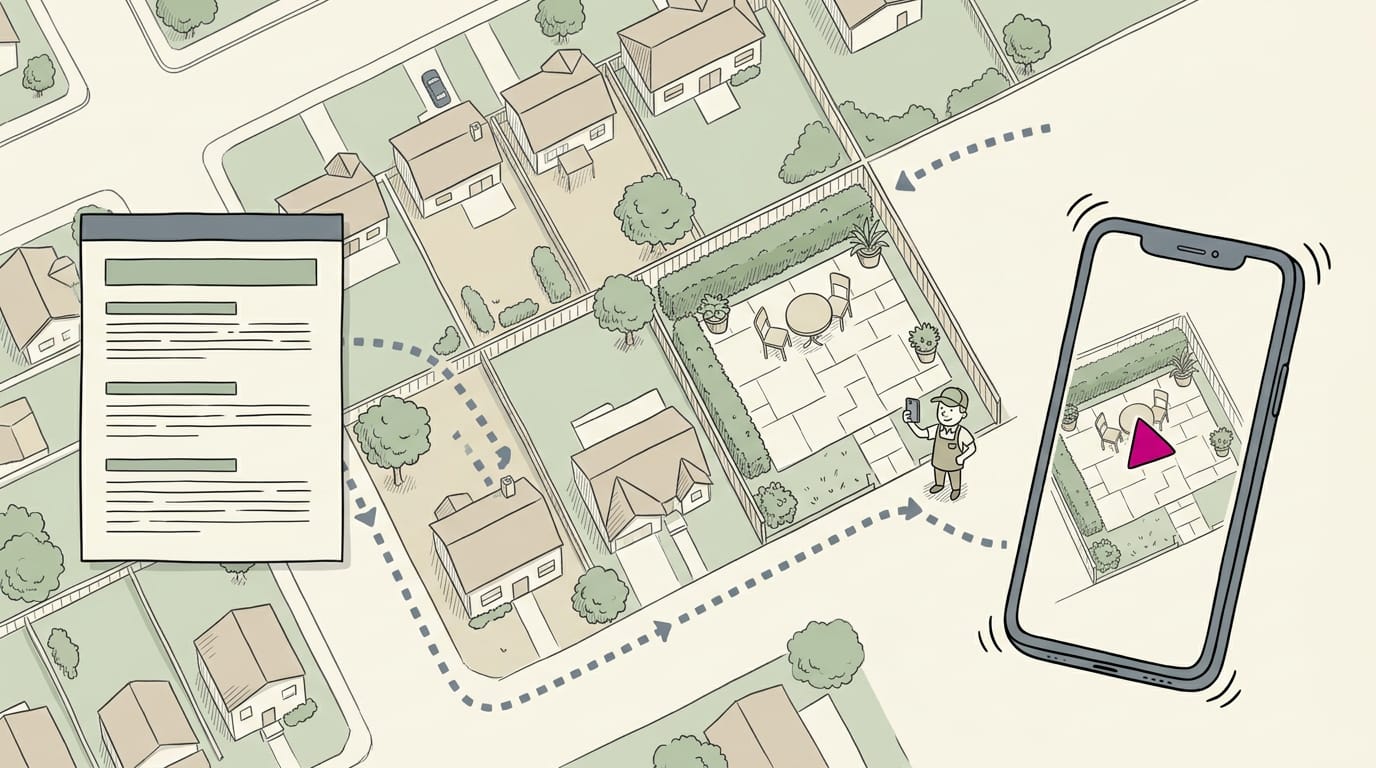
Think of a landscaper whose short phone clip shows a finished patio, so viewers see the result before they call. Start simple.
Reaching Customers Through Email
Once your map listing and website are in shape, email is a channel you control. Here’s how to build a list worth reading.
Growing and sorting your email list
A lead magnet is something useful you offer for an email address, like a discount. Think of a bakery owner who gives a free cookie to anyone who signs up at the counter.
Segmenting groups subscribers by what they care about. This is less about how many emails you send and more about who gets each one. A dental office might send cleaning reminders only to patients due for one.
Clean your list regularly. Remove bounced addresses (emails that couldn’t be delivered) and people who haven’t opened in a long time. A smaller, active list beats a big, silent one.
Writing emails people open and click
Short newsletters need one update, one link, and a few lines a reader can scan between customers. A salon owner might share one new Saturday opening.
Limited-time offers and coupons give people a reason to act now. A plumber might offer a discount on drain cleaning through the end of the month.
Personalization is less about a cute greeting and more about relevance. Use their first name and mention what they last booked, then end with one clear call to action, like ‘Book your cleaning.’
Test your subject lines, the words people see before they open. Send two versions to a small group, then the stronger one to everyone else.
Track each send’s open rate (the share of people who open it) and click rate (the share who tap a link). Opens show who noticed; clicks show who acted. If opens are strong but clicks are flat, fix the offer or button.
Tracking Results and Getting Expert Help
Advertising only pays off if you can see what it brings back.
Tracking the numbers that matter most
Start with traffic, the number of people visiting your site, and your bounce rate, the share who leave right away. Next, watch your conversion rate: the percentage who call, book, or buy.
Your engagement rate shows how often people like, comment on, or share posts. Email open rates show how many people open your messages.
For paid ads, calculate your return on investment (ROI): what you earned versus what you spent. Google Analytics can show many of these numbers in one place.
Calls and offer codes are the simplest check. Give each ad its own phone number or code, like SPRING10 on a flyer.
A dental office, for example, can ask new patients which code they used, so the front desk knows which ad filled the calendar. Focus on bookings over likes.
Hiring agencies and specialists to help
Consider a salon owner with a full chair and no time for ads. A pay-per-click (PPC) specialist can set up ads you pay for only when someone clicks, so new bookings come in while she keeps cutting hair.
Hire a search engine optimization (SEO) expert or PPC specialist for one clear task, like fixing your map listing, and ask how they’ll report results.
Prefer to learn it yourself? Free training courses can get you up to speed first.
An agency can manage your website, listings, and social accounts. Keep the logins in your name so you can always see the numbers.
Getting the call is only half the job. Turn leads, people who’ve shown interest, into sales by having someone call back fast. An unanswered inquiry is a sale you’re giving away.
Advertising doesn’t have to start with the most expensive option. Start with the basics: an accurate map listing, reviews that keep coming in, and a plain website that works on a phone.
Once those are solid, paid ads and social media can help you reach further.
Every channel has a job, and knowing its cost and payoff keeps your money pointed the right way. Pick one step to finish this week, and you’ll already be moving. Get found first, then give people a reason to call.
References
- A Penny for Your Thoughts: Referral Reward Programs and Referral Likelihood — journals.sagepub.com
- Calculation of Facebook Marketing Effectiveness in Terms of ROI — doi.org (2021)
Questions
What is the #1 reason small businesses fail?
There is no single, universally recognized #1 reason small businesses fail. Common causes include running out of cash, weak demand, poor financial management, and ineffective marketing.
What are the 7 steps of advertising?
A practical seven-step advertising process is: identify your target customer, set a clear objective, choose a budget, develop a message, select advertising channels, launch the campaign, and measure results. Use outcomes such as calls, bookings, or sales to decide what to change.
What are the 5 main advertising techniques?
Five common advertising techniques are emotional appeals, testimonials or endorsements, repetition, bandwagon messaging, and discounts or limited-time offers. Choose techniques that fit your customers and make truthful, clear claims.
What are the 7 main types of advertising?
Seven main types of advertising are local advertising, referral advertising, social media advertising, search advertising, display advertising, video advertising, and email advertising. They differ in cost, reach, and how directly they target people who are ready to buy.
What are 10 effective ways to advertise for my business?
Ten effective ways to advertise your business are to claim a Google Business Profile, build a useful website, collect online reviews, improve local search visibility, post regularly on relevant social platforms, run targeted search ads, use paid social ads, send email offers or newsletters, publish helpful videos or articles, and encourage customer referrals. Track calls, bookings, or sales to see which methods work.
What are 10 low cost ways to promote your business?
Ten low-cost ways to promote your business are to create a free Google Business Profile, post on Nextdoor, use community notice boards, distribute flyers and posters, share business cards, cross-promote with nearby businesses, attend networking events, send local press releases, volunteer in the community, and run workshops. Most require more time than money.
How do I attract customers to my business?
Attract customers by making it easy for them to find and trust your business. Keep your map listing and website accurate, show clear services and prices, collect reviews, share useful content, and ask satisfied customers for referrals. Choose promotions and advertising channels that reach your ideal customers, then follow up quickly when people contact you.
Where do I advertise my business?
Advertise where your target customers already look and spend time. For a local business, start with a Google Business Profile, online reviews, a phone-friendly website, and relevant neighborhood groups; then consider local events, flyers, social media, search ads, email, or local radio and newspapers. Select channels based on your budget and track which ones generate calls or bookings.