Social Proof in Marketing: A Complete Guide to Trust
Social proof in marketing starts with map-listing reviews and neighbor recommendations; learn how to gather, place, and measure proof that earns trust.


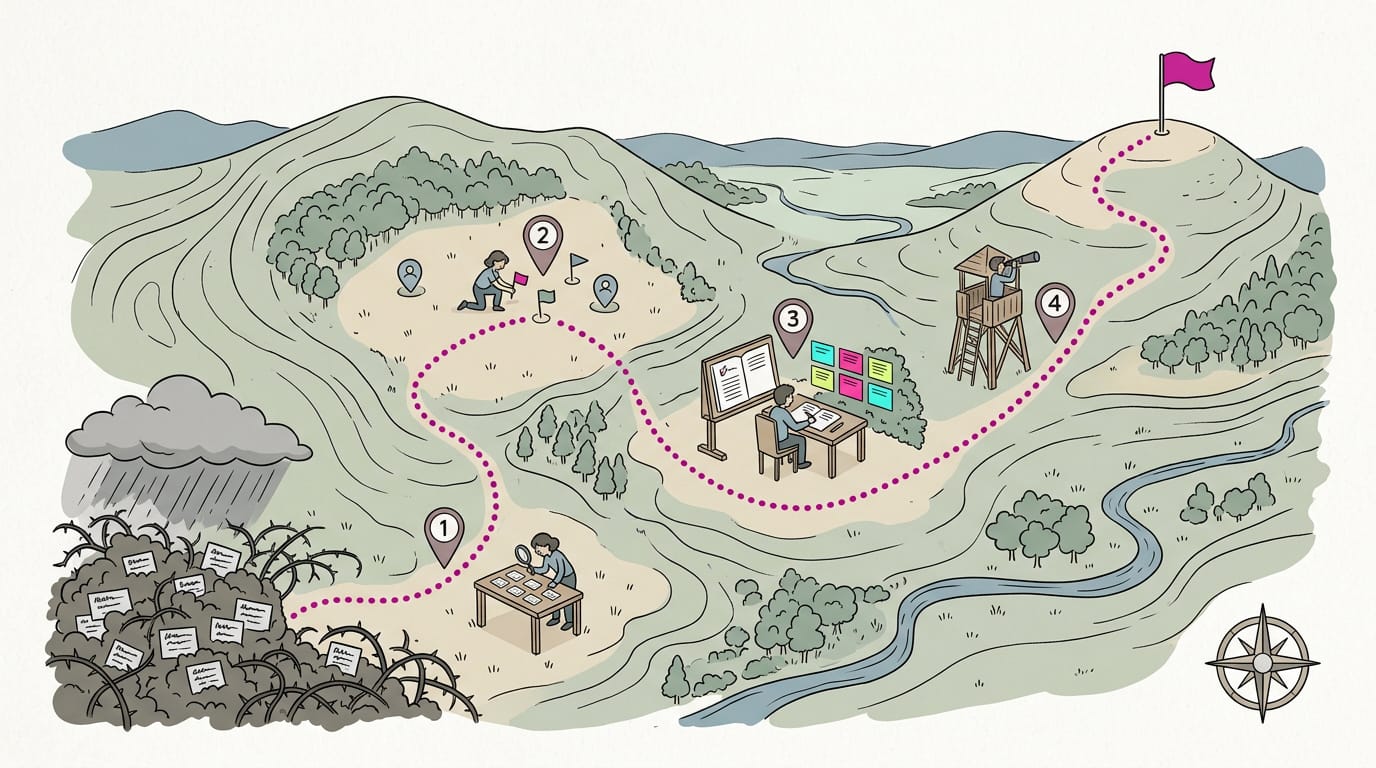
Social proof in marketing is evidence from customers and other trusted people that a business has been used, liked, or recommended. Reviews, testimonials, referrals, customer-created content, expert endorsements, and popular choices can reduce uncertainty when they are specific, genuine, and easy to see at the moment someone is deciding. Start with recent reviews on the places customers already search, ask satisfied customers to share honest feedback, and measure whether that proof leads to calls or bookings.
Think about the last time you picked a restaurant on your phone. You probably skimmed the star ratings and a few recent comments first. That’s social proof at work: we tend to trust what others have already chosen.
Social proof is the evidence that past customers have used, liked, or recommended your business, like reviews, testimonials, and referrals. In this post, we’ll cover why it works, the main types, and how to gather and measure it.
We’ll also show you how to start with map-listing reviews and neighbour recommendations before chasing social media.
Why Social Proof in Marketing Works
Before you chase reviews, it helps to know why people trust other people.
Where the idea of social proof began
People look to what others do when they’re deciding for themselves. That habit is the heart of social proof: treating other people’s choices as a guide.
Cialdini’s principle of persuasion names social proof as one way people are influenced. When everyone seems to head one way, joining them feels safer. That’s herd mentality, the pull to move with the group even when nobody knows where it’s going.
Social proof is also a marketing tool, not just theory. The shift is less about what a business says and more about what others say. Picture a plumber whose listing shows a steady run of recent five-star reviews.
A homeowner with a leak at 9pm calls that plumber first.
Why we rely on what others do
Uncertainty is the biggest driver. When people can’t judge a choice themselves, other people’s behavior becomes the shortcut.
Informational influence means looking to others for facts. Normative influence means wanting to fit in. Both push people toward businesses others already trust.
The halo effect adds another layer: one strong impression, like a friendly reply to a review, can color how we judge everything else.
We also need to belong. Seeing people like us choose a business makes that business feel like a group we’d join. This pull is old. Following the group likely helped our ancestors survive, and people copy people.
Last, there’s fear of missing out (FOMO). When a business looks busy, people worry they’ll miss what everyone else is getting, and they act faster.
What Social Proof Does for Your Business
Would you book a stranger you’d never heard of? That hesitation is what social proof solves: the reassurance people get when other customers already choose you.
How peer voices build trust
Shoppers trust other customers more than what businesses say. A study of consumer-generated advertising found that more and more people trust information from consumers over companies.
Picture a plumber with recent reviews praising same-day water heater repairs. Someone searching “plumber near me” at 9pm with a leak trusts those voices first.
Peer voices shrink perceived risk, the worry a purchase will go wrong, and ease anxiety for first-time callers who see others have been there. In a crowded market, what sets you apart is what others say about you.
How it lifts conversions and sales
Displaying reviews can raise conversion rates, so more visitors call or book.
People may also pay more for good reviews: a study on online reviews and willingness to pay reports that average rating consistently lifts what people will pay, while review volume doesn’t.
Visitors who’ve never heard of you, what marketers call cold traffic, convert better when reviews are on the page. The reviews do the vouching you can’t do yet.
Reviews influence nearly every purchase, so put them where people decide. A salon owner’s booking page with reviews praising friendly stylists gives a first-time visitor a reason to book.
Reaching new buyers and answering questions
Customer reviews, photos, and posts, called user-generated content (UGC), put your name in front of new people. They also answer questions before anyone asks, like a bakery review mentioning gluten-free options.
Those reviews help people sort themselves, so the right-fit callers come in and others move on. They shorten the decision, too: one scroll can replace checking three sites.
Numbers that back up the case
Here’s what the research shows:
- Reading reviews. A study on Shopee online reviews cites BrightLocal’s 2023 survey: 98% of consumers read reviews before buying.
- Trust. The same survey found nearly 79% of consumers trust reviews as much as personal recommendations.
- Purchase influence. An article in the Schmalenbach Journal of Business Research finds that UGC, such as online reviews and social media posts, significantly affects purchasing decisions.
- Conversion lift. A study on the value of online customer reviews found that, on average, a product’s conversion rate can rise by as much as 270% as reviews accumulate, among those who choose to display them.
Common Types of Social Proof
Most social proof falls into a few familiar types. Here’s what each looks like and how marketers sort them.
The classic expert, celebrity and user types
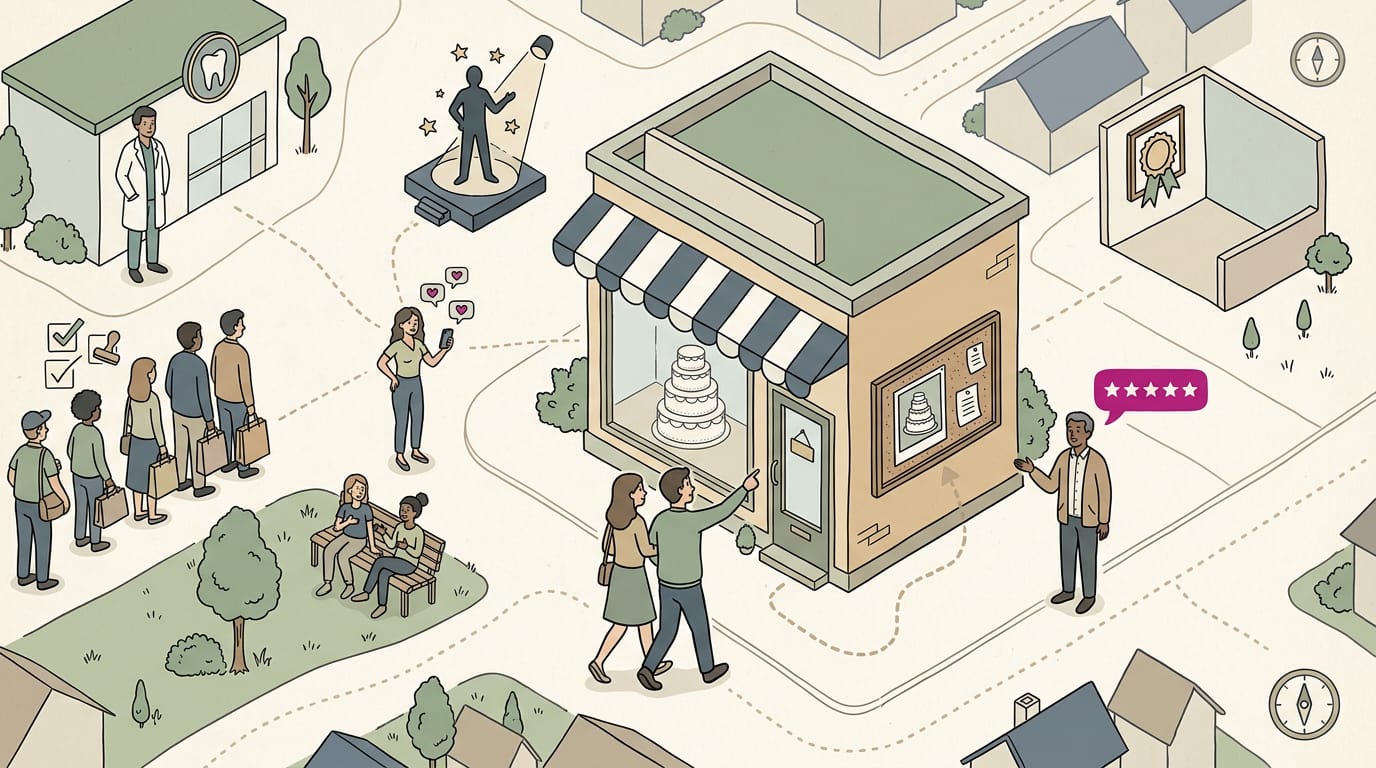
The classic types are expert, celebrity, and user proof. Expert proof comes from real credentials, like a dentist’s endorsement. Celebrity proof borrows a well-known name, and user proof comes from ordinary customers who’ve already paid.
Wisdom of the crowd means people feel safer choosing what others already chose, and friend recommendations add weight on top.
Certification is an outside body confirming you meet a standard, like a state license. An audience trusts one person’s picks, even though that person isn’t a classic expert or celebrity. Influencer proof sits in the middle.
Think of a bakery owner who pairs a wedding-cake photo with a neighbor’s review. The photo shows the work and the neighbor vouches for it, so the next inquiry may ask for that exact design.
How marketers sort their proof
Marketers also sort proof by format:
- Testimonials, referrals, and best sellers: A customer’s own words, a referral, or a label showing what sells most.
- Reviews and social media: Public feedback on your map listing and social feeds, showing what happened after the sale.
- Live and scarcity proof: Activity happening now, or spots that are limited, like “only two appointments left Friday.”
- Expert and authority proof: Credentials, awards, and press mentions showing qualified people stand behind your work.
Expert proof shows you know your trade, but it’s less about who says it and more about what customers say after the job. On a map listing, reviews are the fastest place to start.
Proof Your Customers Create for You
Your happiest customers already talk about you, and that’s the most believable marketing you have. Here’s how to turn that talk into proof.
How ratings and reviews win over buyers
Shoppers weigh the star average and the review count, so steady reviews beat one glowing one. Reviews work because they come from someone else, not from you.
Reviews on sites you don’t control and testimonials on your own site both help. A verified buyer label shows the reviewer actually bought from you. Put a few short reviews beside your Book Now or Call button, where hesitant customers decide.
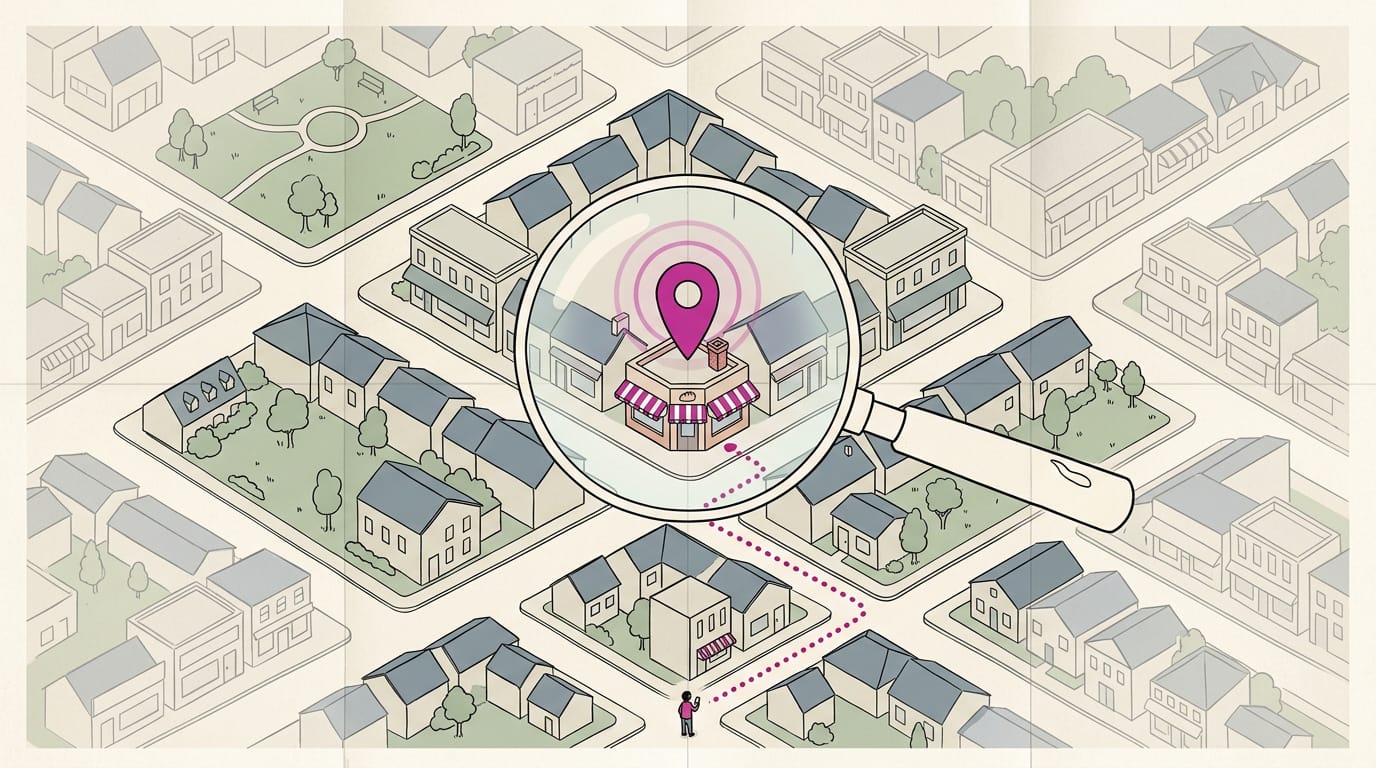
Start with your Google Business Profile, the listing that shows on maps when someone searches nearby. A dentist who asks each patient for a review at checkout builds that list one visit at a time.
Real quotes from happy customers
Specific quotes sell best. ‘Great service’ tells a reader nothing, but ‘The plumber fixed the leak before lunch’ shows exactly what to expect.
Collect quotes as text, video, or audio, and gather them on a testimonial page so new visitors can read a batch at once. Video is the hardest to source, so ask while the customer is still happy.
Detailed stories of customer results
A story shows the whole journey. Interview a customer with a few simple questions, then turn the answers into a short write-up or a case study video. Think of a salon owner who asks a client how her first visit went. Her own words become the story.
Add a number where you can, like bookings per month before and after.
Getting fans to create content for you
User-generated content (UGC) is anything customers create about your business.
A literature review on user-generated content in social media marketing found that UGC consistently generates 28% higher engagement, 67% greater consumer trust, and 2.4 times more effective conversion rates than company-generated content and traditional advertising.
Think of a bakery owner who asks a customer to tag the shop in a birthday cake photo, then reposts it. The next person who scrolls past sees a real customer, not a stock photo.
Try three ways to get more:
- Hashtags and reposting. Give customers one branded hashtag and repost their photos with permission.
- Incentives and contests. A thank-you or a monthly photo draw gets people posting.
- Social listening. Search for mentions of your business to find posts worth asking about.
Referrals, NPS scores and shout-outs
Word-of-mouth referrals grow when you ask, so invite happy customers to send friends your way, perhaps with a card at the counter. Net Promoter Score (NPS) asks how likely a customer is to recommend you.
Show a strong score, and use the comments behind a weak one to see what to fix.
Reshare customer praise, tweets included, with permission, and thank regulars in your own posts. Think of a plumber whose happy customer names him in a local neighbourhood group. That one reply can bring the next call.
Proof from Experts and Outside Sources
Your own claims only go so far. Outside voices carry more, because it’s who says it that matters.
Getting experts to vouch for you
Industry expert recommendations come from people your customers already respect. Think of a dog groomer who displays a short quote from the local vet, so nervous owners feel reassured before they book.
Expert takeovers and chats let a respected local professional run your social account for a day or answer customer questions live. Guest posts and interviews put you in front of an existing audience, like a local newsletter’s readers.
The goal isn’t more mentions but better ones.
Partnering with influencers and celebrities
Micro-influencers are local creators with smaller but closely engaged followings. Audience alignment matters more than follower count, so a local wellness blogger whose readers live nearby beats a famous name with fans far away. Fit beats fame.
Celebrity endorsements grab attention, but a famous face rarely reaches the people who can book with you.
Brand ambassador programs turn loyal customers into referral sources. Consider a salon owner who gives her regulars a referral card and thanks them for each booking it brings in.
Whatever the arrangement, disclose it: label paid posts and free products as sponsored or gifted in plain words.
Showing awards, press mentions and logos
A bare ‘Award Winner’ badge tells visitors little. Name the award, who gave it, and the year. Picture a plumber who frames a local trades award by the counter and explains it on his website.
When a caller asks why to choose him, the front desk has an easy answer ready.
When a local newspaper, radio station or podcast features you, show its logo and link to the piece. Logos of well-known clients, like a school district, show that names people know already rely on you. Always ask for logo permission first.
Trust badges and verified accounts
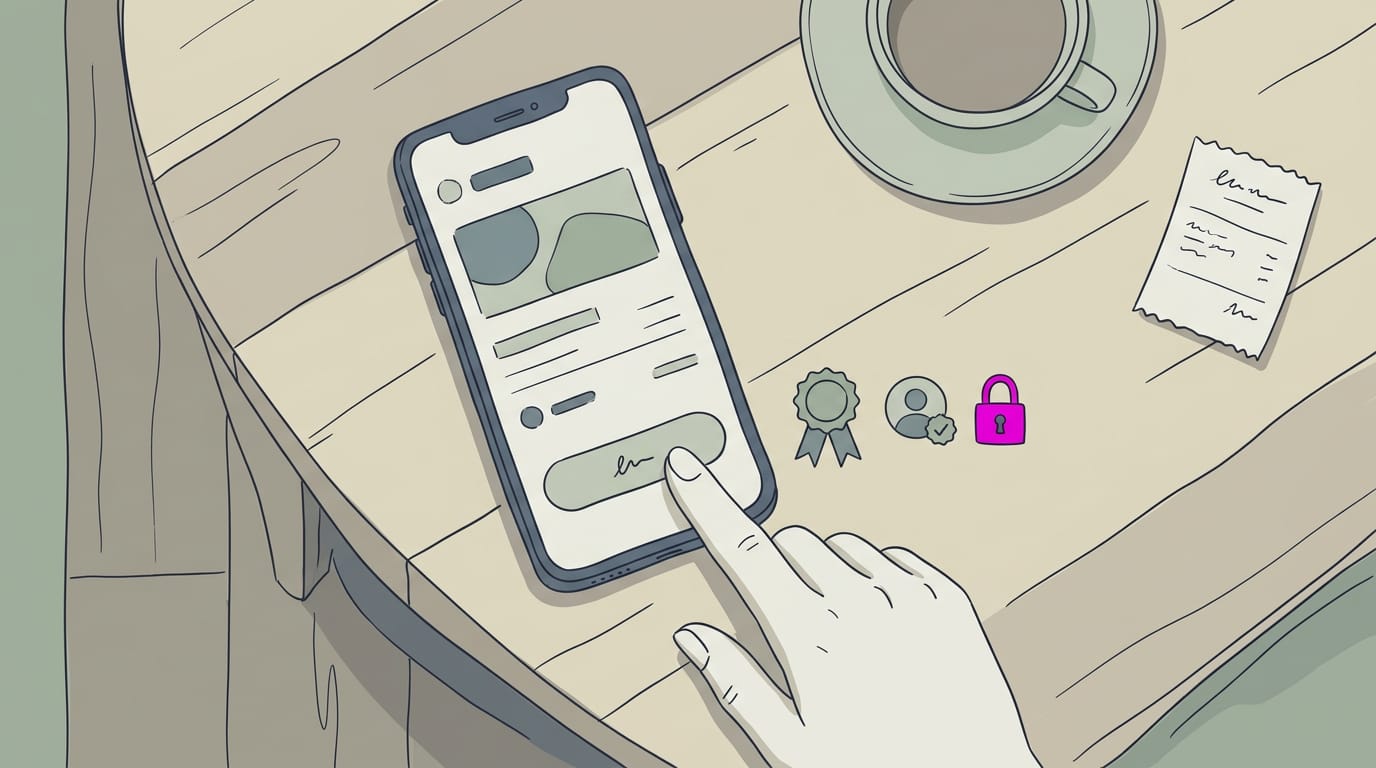
Three small signals do quiet work right where customers decide whether to act:
- Trust and ecommerce badges show guarantees or payment logos, but only the ones that are true.
- Verified social accounts show a check mark confirming they’re genuinely yours, where the platform offers one.
- Secure checkout icons sit near the payment button and answer the last-minute question: is this safe?
Trust builds one visible signal at a time.
Showing What’s Popular and Happening Now
Shoppers feel safer when they can see others already chose you. Here are four ways to show it, and how to keep each one honest.
Sharing customer counts and milestones
Social proof is the signal that others trust something, so you can too. Customer counts are the simplest form, but only use one you can back up.
Followers and engagement matter less than you’d think: lots of followers who never book won’t fill your calendar.
Milestones give you a reason to thank regulars. Think of a dental office that posts a thank-you when it hits a round-number milestone of cleanings. It thanks its regulars and shows newcomers the practice has plenty of them.
If you’re newer, big totals won’t impress yet, so try percentages instead, like the share of customers who came back. Just keep the math real. Honest figures always beat flashy ones.
Live alerts showing demand and scarcity
These mostly live on online stores, and they’re easy to misuse:
- Recent purchase pop-ups show a note like “Someone just booked a consultation.”
- Live visitor counts show how many people are viewing a page right now.
- Sales counters track how many of an offer has sold.
- Scarcity cues flag limited openings.
Scarcity works only when it’s real. Consider a salon owner who posts “Two Saturday slots left” only when that’s true. Customers get a real reason to book now instead of next week.
Highlighting bestsellers and top picks
A clear suggestion helps undecided customers. Best-seller labels mark what most people choose, and recommended plan highlighting tags one pricing option as most popular.
A fit guide helps shoppers pick the right size or service, and purchase recommendations suggest an add-on at checkout.
Think of a plumber who lists three service options and tags the middle one “Most popular with homeowners,” as long as that’s true. Now the call is about booking, not comparing. Recommendations should help people choose, not push them.
Showing share counts and trending topics
Social share counters show how often a post or page has been shared. Hide low counts, though: a counter with only a handful of shares looks thin, so leave it off until the number is worth showing.
Trending hashtags and chats work differently. Joining a buzzing local hashtag or neighborhood group shows you’re part of the community, but only when you have something useful to say.
Real numbers persuade. Padded ones don’t.
Where and How to Use Social Proof
Proof only works if people see it when they’re deciding, so placement matters as much as the proof itself. Here’s where we’d put it.
Adding proof to pages and checkout
Start with your landing and product pages, where someone decides whether to call or book. Think of a salon owner who moves three recent reviews above the booking form.
Then add:
- Homepage logo banners: Show logos of the local groups, suppliers, or organizations you work with.
- Easy-to-find placement: Put proof where people look, not three clicks deep on a page nobody visits.
- Checkout trust signals: Add a review count, a guarantee, or a secure payment badge where a hesitant customer makes the final call.
Putting proof into paid ads
Ads reach strangers, so borrow proof from people who already like you. Use a real testimonial in your ad copy, in the customer’s own words.
Try friends-of-fans targeting, which reaches people connected to your current followers, so your ad reads like a recommendation. Boost a post that already has likes and comments, so that engagement shows up as proof on the ad itself.
Sending proof through email campaigns
Email reaches your regulars, so put one short review in each campaign. Set up automated product emails that ask for a review after each sale or job, like a plumber’s follow-up the day after a repair.
And write review-focused subject lines, such as ‘How did we do?’, so the ask is clear before anyone opens.
What is the 3-3-3 rule for social media?
The 3-3-3 rule for social media is a simple routine built on four habits:
- Sharing mentions gratefully: When a customer tags you, thank them and share the post where it fits.
- Branded hashtags: Give customers a hashtag to use, so their posts are easy to find and reshare.
- Responsiveness badges: Answer messages fast enough that your page can show it.
- Active customer engagement: Reply to comments and messages, and ask questions that get people talking.
It’s less about posting and more about answering the people who already talk about you. Consider a bakery owner who reposts a customer’s cake photo, thanks her by name, and mentions the hashtag on the next order.
Her next customers see a real person getting thanked. Start there.
Gathering Proof the Right Way
Happy customers rarely leave reviews unprompted, so how do you get them talking?
Asking customers for reviews and quotes
- Ask proactively. Right after the job, try: ‘If we earned it today, we’d love a review.’
- Follow up with automated emails. A short email or text a few days later catches people who meant to write.
- Add review links to receipts. Every invoice becomes an easy next step.
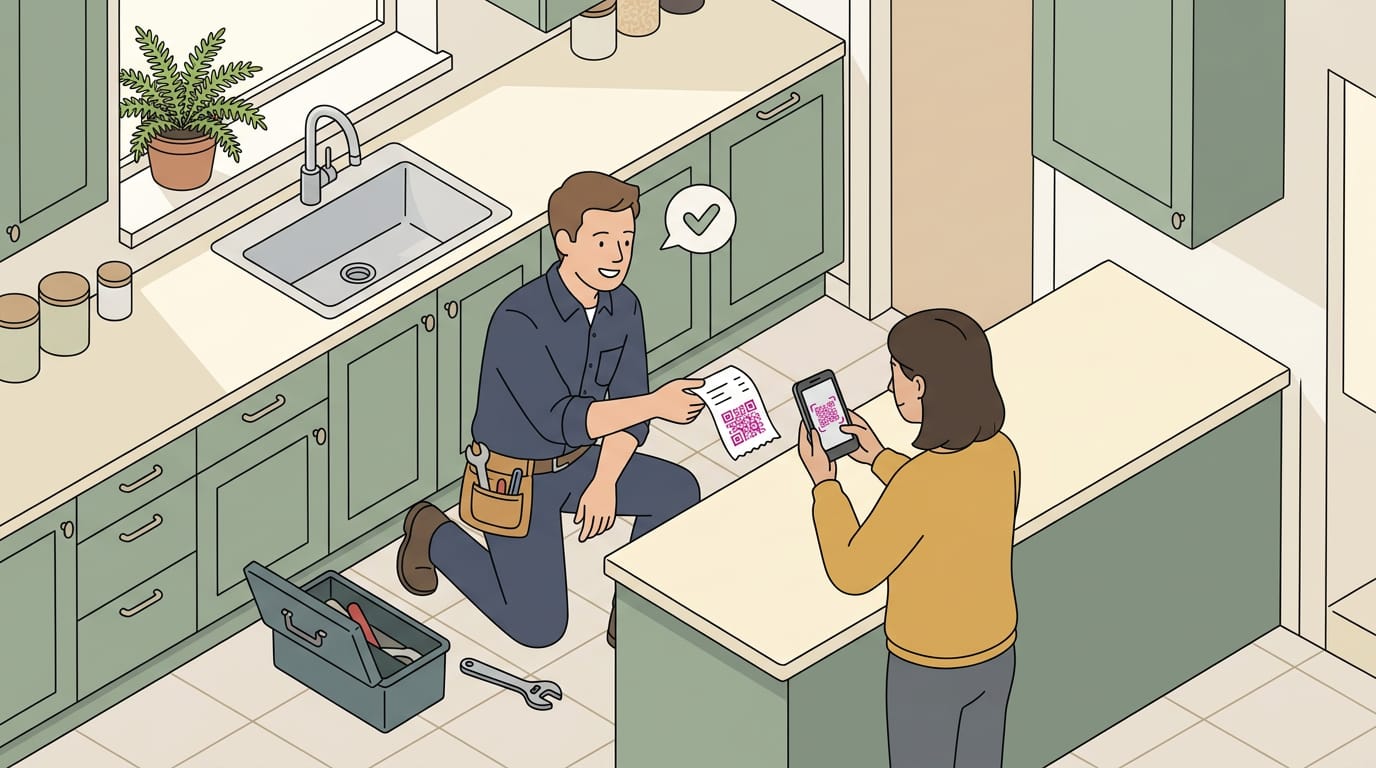
- Put a QR (quick response) code review ask at the counter. Waiting customers scan it with a phone to open your review page.
- Use incentives or contests carefully. Reward feedback, good or bad, rather than praise. A prize for anyone who shares feedback beats a discount for five stars, since rewarding only praise tilts what people see.
Think of a plumber who texts a review link after each paid invoice. New callers soon see recent praise before they dial.
Matching proof to your audience
Proof works best when it sounds like your audience. Specific, detailed reviews beat generic praise: ‘The crew arrived on time and explained the repair first’ tells a stranger more than ‘Great service!’ ever could.
Match proof to your demographic: a dentist’s should speak to parents, a fleet shop’s to managers. Frequent short reviews keep your listing active, but a few detailed ones carry weight.
It’s less about how many stars you have and more about which stories you show, so curate the strongest lines for your website.
Starting from zero? Ask regulars and neighbors in person first. They’re the easiest yes you’ll get.
Responding to criticism and bad reviews
Respond promptly and publicly. Reply where the review appears, within a day or so. Thank the reviewer, acknowledge the problem, and invite them to call. Future customers read your reply as closely as the complaint.
A wall of perfect ratings can look staged, so honest, mixed reviews, each answered, build more trust. Turn negatives into positives: if feedback led to a change, say so. How you respond matters more than the complaint itself.
Keeping proof honest and ethical
Avoid fake reviews. Never review your own business or ask friends to post under made-up names. Faked proof erodes trust fast: once one review looks suspicious, every real one looks doubtful.
Moderate user-generated content (photos, posts, and comments customers create themselves) and remove anything abusive or misleading. Before reusing a customer’s photo or quote, ask: ‘Mind if we share this?’
Earned proof is the only kind that keeps working.
Real Examples, Tools and What’s Next
Big brands make social proof look easy, and the tools are closer than you’d think.
Brands doing social proof well
Canva, Slack, and HubSpot put customer logos up front, so visitors see familiar names first. Dyson’s review display does similar work. Red Bull, Zappos, and Five Guys lean on what customers say, and ecommerce brands add case examples of real results.
Copy the pattern, not the budget. Think of a salon owner who prints her best reviews beside the booking button, so visitors book without calling to ask about the stylists.
Review, alert and listening tools
Review apps like Loox and Fera collect and show customer reviews. Press kit and share tools package your wins, and notification tools like TrustPulse surface recent activity on your site. Social listening platforms track what people say about you online.
For most local shops, a weekly read of your Google Business Profile reviews does the job. Listening is about hearing feedback, not just collecting praise.
New approaches, including AI personalization
AI personalization uses artificial intelligence (AI), software that learns from data, to show each visitor the proof most likely to matter to them.
Gamification, or game-like rewards, turns customers into participants, like a bakery’s monthly photo contest. Audio testimonials let a customer’s own voice do the talking, which feels more real than a typed quote.
Will AI replace social proof?
AI won’t replace social media marketing, but it will change how much of it you do by hand. It can speed up the work, but it can’t be the customer.
Think of a dentist who uses AI to draft thank-you replies: the replies save her time, yet the next five-star review still depends on a good visit. Trust still comes from people.
How to Measure Whether Proof Pays Off
Reviews and recommendations only pay off if you know they’re bringing in customers. Here’s how to find out.
Picking metrics and tracking tools
Start by naming your goal. Key performance indicators (KPIs) are the few numbers that show whether it’s moving, like calls or booking requests. Pick two or three and ignore the rest for now.
Connect your website to Google Analytics, which shows where visitors come from and what they do once they arrive. A dental office, for example, can see whether people who read its patient reviews go on to request an appointment.
- Social analytics shows how each post performs
- heat maps show where visitors click and scroll
- social listening tools track what people say about your business online.
Testing, comparing and reporting results
Begin with your baseline, the numbers from before you added the new proof. Compare this month’s calls to the same month last year, or to the period before you started asking for reviews.
Then experiment continuously: change one thing at a time, like the reviews on your homepage, and give it a few weeks. A salon owner testing two review-request texts can see which one earns more replies. Small tests beat big guesses.
Translate impact for stakeholders, too. Your bookkeeper or business partner wants plain results, so say ‘the new review page brought in several extra booking requests’ rather than ‘engagement rose.’
Finally, avoid vanity metrics, numbers that look impressive but don’t pay the bills, like follower counts and likes. Count bookings instead of likes. If a number doesn’t lead to a call or a booking, don’t let it steer you.
Social proof works because we’d rather trust the experience of people like us than a sales pitch.
Reviews, testimonials, referrals, and popular picks all show that others have already said yes, and that signal is strongest when it’s real, recent, and easy to find. You don’t need a big budget or a busy social feed to build it.
Start where your customers already look. Your map listing gets you found, but the reviews and neighbour recommendations are what get you chosen.
References
- A study of consumer-generated advertising—An experimental analysis based on purchase experiences, information channels, and privacy costs — pmc.ncbi.nlm.nih.gov (2025)
- Influence of Shopee Online Reviews on Consumer Purchasing Decisions — doi.org (2025)
- Unraveling the Influence: Exploring the Role of User Generated Content Along the Customer Journey and Understanding Its Relevance for Research and Practice | Schmalenbach Journal of Business Research — link.springer.com (2025)
- Review Literatur Terhadap Perkembangan User Generated Content dalam Mendukung Pemasaran Media Sosial — jurnal.itbstikomambon.com (2025)
- The Value of Online Customer Reviews — doi.org (2016)
- Online reviews and consumers’ willingness to pay: the role of uncertainty — doi.org (2012)
- How do American consumers verify online retailers before purchasing? — yougov.com (2026)
- Brand Rated: “Nine out of ten customers read reviews before — globenewswire.com
- Newswire | Consumer Trust in Online, Social and Mobile Advertising Grows — nielsen.com
Questions
What is the 3-3-3 rule for social media?
The 3-3-3 rule is a social media routine focused on thanking and sharing customer mentions, using branded hashtags, responding quickly to messages, and actively engaging with comments and questions. It emphasizes replying to people who already talk about your business, rather than simply posting more.
Will AI replace social media marketing?
No. AI can speed up tasks such as drafting replies and personalizing content, but it cannot replace human customer experiences or the trust customers place in one another. Social media marketing will still depend on genuine relationships and customer voices.
Sources
- A study of consumer-generated advertising—An experimental analysis based on purchase experiences, information channels, and privacy costs - PMC, pmc.ncbi.nlm.nih.gov,
- The Value of Online Customer Reviews, doi.org,
- Brand Rated: "Nine out of ten customers read reviews before, globenewswire.com
- Online reviews and consumers' willingness to pay: the role of uncertainty, doi.org,
- How do American consumers verify online retailers before purchasing?, yougov.com,
- Influence of Shopee Online Reviews on Consumer Purchasing Decisions, doi.org,
- Unraveling the Influence: Exploring the Role of User Generated Content Along the Customer Journey and Understanding Its Relevance for Research and Practice |, link.springer.com,
- Newswire | Consumer Trust in Online, Social and Mobile Advertising Grows | Nielsen, nielsen.com
- Review Literatur Terhadap Perkembangan User Generated Content dalam Mendukung Pemasaran Media Sosial, jurnal.itbstikomambon.com,