Define a Chief Marketing Officer: Duties and Skills
Chief marketing officer: see who owns the message, audience, channels, and budget, where the role sits on org charts, and how it differs from a VP.

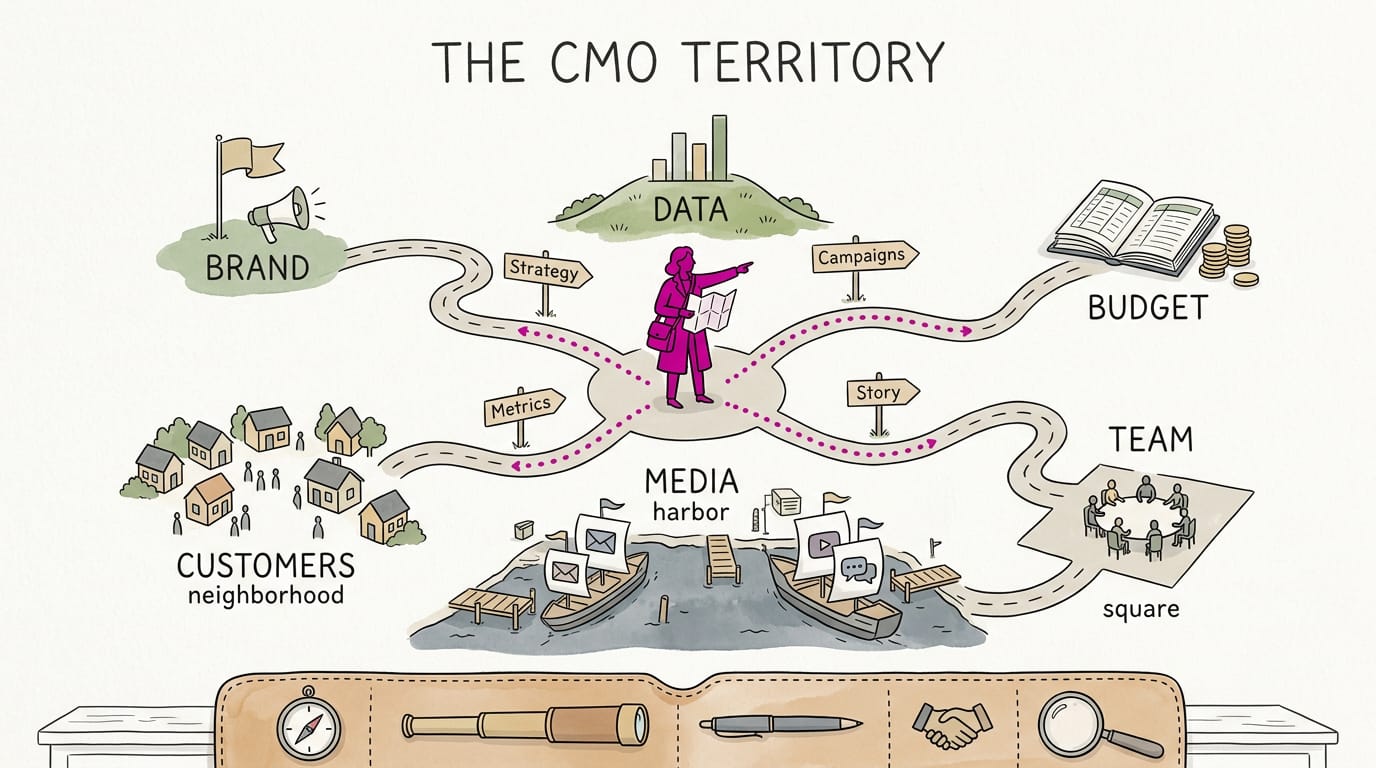
A chief marketing officer (CMO) is the senior executive who leads a company’s marketing function and sets its overall direction. The CMO aligns the brand, audience, campaigns, team, and budget with business goals, using customer insights and results to guide decisions; the role typically sits above a VP of marketing and works with other executives. The work needs one clear owner, but smaller businesses can assign it to an owner, manager, or fractional CMO instead of hiring a full-time executive.
Ever wondered who should steer your marketing when nobody’s got that title? A chief marketing officer (CMO) is the senior leader who owns the whole picture: the message, the audience, the channels, and the budget that ties them together.
Picture a dental office where the owner, the front desk, and a part-time web helper each handle a piece of getting new patients.
In this post, we’ll cover what the role includes, where it sits on the org chart, and how a CMO differs from a vice president of marketing.
How to Define a Chief Marketing Officer
Before you decide whether you need one, here’s what the role is, where it sits, and what it’s called.
Who a CMO is at heart
A chief marketing officer (CMO) is the senior marketing executive at a company. The CMO oversees marketing strategy and heads the marketing department, so the job is about direction rather than execution.
Think of a bakery owner who posts weekend specials, answers reviews, and keeps the Google listing current, all by herself. A CMO’s real work is deciding which of those tasks bring in the most orders.
A marketing manager runs the campaigns day to day, while the CMO owns the overall plan. For the formal wording, check the American Marketing Association (AMA) definition.
Is a CMO higher than a VP?
Yes. The CMO sits at the executive level, one step above a vice president (VP) of marketing.
The CMO is a peer of the chief financial officer (CFO), chief operating officer (COO), and chief technology officer (CTO), and reports to the chief executive officer (CEO).
That places the CMO on the strategic leadership team, collaborating with those executives on company-wide decisions, not just marketing ones.
Other names for the same role
Companies don’t all use the same label, so the same job can appear under several names:
- Marketing Director: another name for the person leading the marketing function.
- Global Marketing Officer: the word global signals a scope that spans markets around the world.
- VP of Marketing: a vice president title, often sitting one step below the CMO.
When you’re comparing roles or hiring, read the responsibilities, not just the title. The title changes, but the job underneath it stays the same.
What a CMO Is Responsible For
A chief marketing officer (CMO) is the person who decides where your marketing is headed and keeps every piece pointed the same way. Whether or not you have one on staff, the job still has to get done.
Building strategy and setting measurable goals
A marketing strategy is your plan for who you’re reaching, what you’ll say, and where. The CMO builds it, then sets goals and key performance indicators (KPIs), the few numbers that show whether it’s working.
Tie those goals to your business objectives and you have a roadmap for growth.
Picture a dental office hoping for more new-patient bookings each month. Whoever owns that job sets a number to check against, so the front desk knows what a good month looks like.

Shaping the brand and its reputation
Your brand identity is what your business stands for and how it differs from competitors. Positioning is the spot you claim in customers’ minds, like the fast option or the careful one.
The CMO keeps that story consistent everywhere, from the van to the voicemail greeting. That’s consistent messaging: less about one great slogan, more about every touchpoint sounding like one business.
When everything matches, people tend to recognize you faster and pass your name along, which is how reputation and loyalty grow.
Launching and fixing multichannel campaigns
A multichannel campaign runs one idea across several places at once, like your listings, email, and social media. The CMO oversees it through three jobs:
- Oversee the launch. Every channel goes live with the same offer.
- Adjust what’s underperforming. Likes without calls mean it’s time to change the offer.
- Target key audiences. Decide who each message is for, then aim it there.
A salon owner’s spring promotion gets likes but no bookings, so the CMO moves the offer to email for past clients. The owner stops paying for posts that look good but book nothing.
Reading market trends and customer behavior
The CMO tracks market trends and what competitors do about them. Customer behavior insights come from seeing which searches bring people in and what they ask before booking.
Marketing analytics inform your decisions by turning those observations into numbers, and data-driven strategies mean acting on those numbers, not hunches. Data tells you what happened, and customer behavior tells you why.
Consider a restaurant manager who notices most takeout orders start with a phone search. A menu that loads fast on a phone turns more of those searches into orders.
Leading the team and managing the budget
Leadership means guiding whoever handles your marketing, whether that’s one staffer or a small crew. You might also hire agencies (outside marketing firms) or freelancers (independent contractors), and the CMO checks their work.
The CMO also allocates the marketing budget and works to maximize return on investment (ROI), meaning the most calls and bookings per dollar.
A landscaping owner pays a freelancer for monthly posts without checking whether they bring in calls. A simple monthly report shows which posts brought calls, so the money follows the results. Every dollar should have a job.

Driving growth by winning and keeping customers
The CMO acts as a company growth driver, measuring marketing by whether it wins customers and keeps them. Customer acquisition brings in new people, while customer retention and loyalty bring existing ones back.
Customer experience connects both, from the first call to the follow-up after the job.
A clinic sends a reminder text the day before each appointment with an easy way to reschedule. Fewer no-shows mean a fuller calendar. Win them once, then earn them again.
Skills and Experience a CMO Needs
Is a chief marketing officer (CMO) a short-term job?
Compared with other top roles, it can be: according to Spencer Stuart’s research, CMOs at big public companies in the S&P 500 index average just 4.1 years in the role, versus 5.0 years for all top executive roles at those companies.
Experience and traits a strong CMO shows
Start with marketing experience. A CMO who has run campaigns and managed a budget knows which ideas pay off and which quietly drain your money. Ask what candidates did at each step of their career path.
Innovation means testing small ideas before you bet the budget on them. Customer focus starts with listening. Think of a plumber who keeps hearing the same after-hours emergency question on the phone.
The next ad speaks to that question, and more of the right calls follow.
The sharpest CMOs balance creativity and data. They ask why a campaign worked, not just whether it did. Numbers show what happened. Creativity shows what to try next.
Keeping up with new tech and digital tools
New tools appear faster than you can test them, so skip any that don’t save phone time or win bookings. A marketing automation platform is software that sends the right message at the right time, like a reminder text before an appointment.
Digital channels, the places customers find you, and search engine optimization (SEO), the work of showing up when people search, deserve the same care.
Start small. These fit in your pocket:
- Listing updates. Change your hours in minutes.
- Review replies. Answer new reviews from your phone.
- Scheduled posts. Queue a promotion ahead of time.
Consider a salon owner who schedules a weekend promotion Sunday night. It goes live Friday morning, and the slots start filling before she’s had her coffee.
Why the CMO Role Keeps Evolving
The chief marketing officer (CMO) role keeps changing as customers do.
How customers and markets have shifted
Buying habits changed after the pandemic, and many customers kept the new ones, like checking reviews before they call.
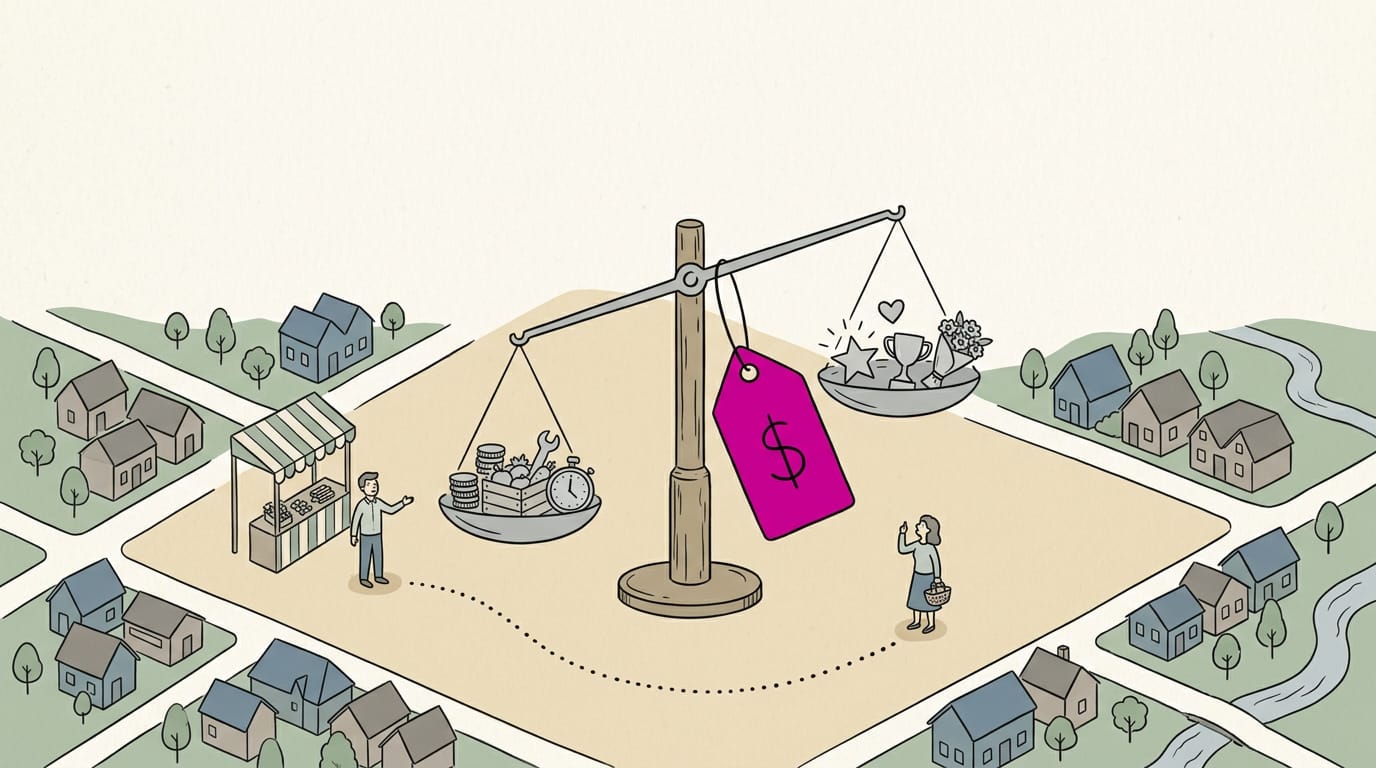
When prices climb, shoppers weigh what they get against what they pay, a habit called value-consciousness. A hair salon owner who lists prices and what’s included online helps new clients see the value before they call.
Customers now expect to buy across several channels, like your storefront, website, and phone line. That’s multi-channel selling, and the real question is where they start, not whether they shop around.
What the CMO Survey found
The 2022 CMO Survey found that inflation and economic uncertainty were harming marketing spending. When money gets tight, every dollar has to earn its keep.
Analytics, the tracking that shows which efforts bring in calls, is still growing. A YouGov report says spending on it has steadily risen and is expected to grow 61% over the next three years.

Why CMOs often lack a real say
A CMO’s job goes beyond running campaigns, yet many don’t have a real say in big decisions. Three gaps stand out:
- Beyond campaign execution. Pricing, hours, and service choices all shape marketing, so the role needs a voice there too.
- Involve the CMO in decisions. Early input keeps a new service from launching without a plan to promote it.
- Accountability without influence. The CMO gets held responsible for results but may never be consulted on what drives them.
The CMO Compensation Center reports that CMO base compensation is correlated with firm size, so pay ranges vary by company size. For you, that’s a useful reality check on whether a full-time hire fits.
Hiring a Fractional CMO Instead
Not sure you need a full-time marketing executive? Consider a fractional chief marketing officer (CMO), someone who works part-time or on set projects, often for several businesses at once.
What a full-time CMO really costs
- Salary and benefits. Benefits sit on top of the paycheck you see.
- Recruitment and onboarding. Finding, interviewing, and training a hire costs time and money first.
- Long-term contracts. A full-time role often locks you in, even if your needs change.
- Tough on tight budgets. Startups and small to mid-sized businesses (SMEs) feel that lock-in most.
What a fractional CMO does for you
This role works part-time or on one project, but the expertise is the same as a full-time executive’s. What changes is how much of it you buy, which keeps costs lower. Think of a dental office with plenty of website visits but few booked cleanings.
A fractional CMO can spot gaps and bottlenecks, like a booking button that’s hard to find on a phone. Fixing it could mean more booked cleanings. Serving several industries, they bring ideas from one field to another.
Why owners choose a fractional CMO
- Cost-effective. Budget for the work, not a permanent payroll line.
- Faster impact. An experienced outsider skips a new hire’s ramp-up.
- Scalable involvement. Dial up for busy seasons, then ease off when things slow.
- Objective outside perspective. They see your business the way a new customer does.
- Reduced risk. Test a strategy on a short project before committing to a long plan. Less guesswork.
- Team empowerment. They can train your staff to handle follow-ups on their own.
- Local-first priorities before hiring. Until you hire, you’re the CMO: get your Google Business Profile right and make sure the phone gets answered.
A chief marketing officer keeps your message, audience, and channels pointed in the same direction. Larger companies give that job to a dedicated executive. At a local business, it’s often the owner or a manager who knows the customers best.
Whether the job lands on your desk, goes to a part-time specialist, or gets shared across your team, the goal stays the same: a clear plan that fills your calendar with the right customers.
Give the big picture one owner, and every other effort gets easier.
References
- The CMO Survey — cmosurvey.org (2026)
- US Marketing budgets to grow by 8.7% in 2020 — yougov.com (2025)
- CMO Tenure 2026: Snapshot of an Expanding Role for Marketing Leaders — spencerstuart.com (2026)
- The CMO Compensation Center - Program - Thought Leadership — cmocouncil.org
Questions
What are the responsibilities of a Chief Marketing Officer?
A Chief Marketing Officer sets the company’s marketing strategy, goals, and performance measures, and oversees brand positioning and campaigns across channels. The CMO also leads the marketing team and outside partners, manages the budget, studies customers and competitors, and focuses marketing on acquiring and retaining customers.
Is a Chief Marketing Officer a short-term job?
A CMO role can be relatively short compared with other senior executive roles. CMOs at S&P 500 companies average 4.1 years in the role, compared with 5.0 years for top executives overall at those companies.
Is a CMO higher than a VP?
In a typical company hierarchy, yes: the CMO is an executive-level leader and usually ranks above a VP of Marketing. The CMO generally reports to the CEO and works alongside other C-suite executives.
Sources
- The CMO Survey, cmosurvey.org,
- US Marketing budgets to grow by 8.7% in 2020, yougov.com,
- The CMO Compensation Center - Program - Thought Leadership - CMO Council™, cmocouncil.org
- CMO Tenure 2026: Snapshot of an Expanding Role for Marketing Leaders, spencerstuart.com,