What Is the Distribution Channel in Marketing? A Full Guide
What is a distribution channel in marketing? Compare direct and indirect routes, see who moves products, and choose a strategy that fits your sales model.
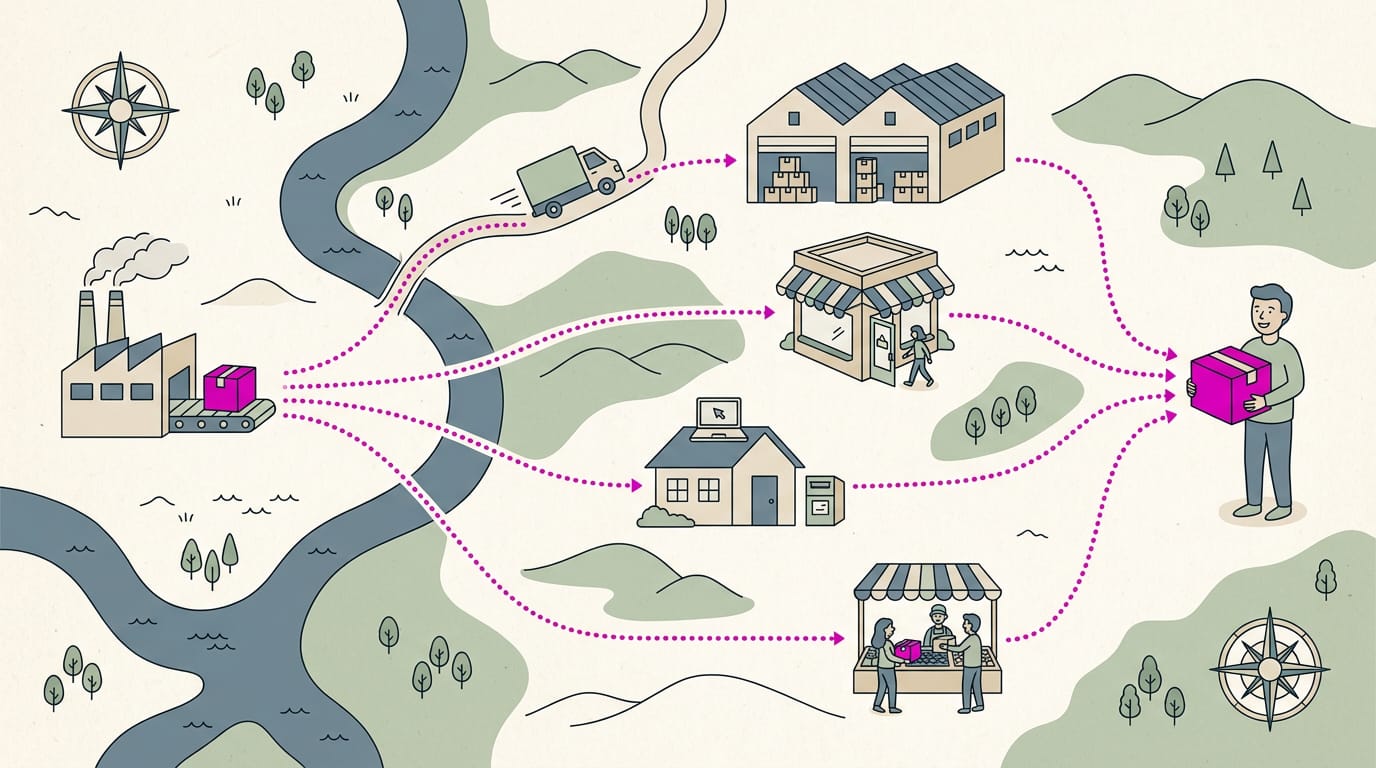
A distribution channel in marketing is the route a product or service takes from the business to the customer, directly or through partners such as retailers, agents, or delivery apps. The best mix depends on what you sell, who buys it, and the reach, control, cost, and convenience you need; combining channels can broaden access, but requires tracking fees, margins, and partner performance. In practice, choose routes that make buying easy and earn their cost, then improve them using customer and sales feedback.
Think about the last time you bought bread. You might have grabbed a loaf at the bakery counter or had one delivered through an app. Each one traveled a different path to reach you.
That path has a name: a distribution channel is the route your product or service takes to reach the customer, and the right route can fill a calendar.
Here, we’ll cover the main channel types, the jobs they do, and how to choose a strategy, plus how a local business can apply each one through its site, map listing, bookings, and delivery apps.
What a Distribution Channel Is in Marketing
A distribution channel is the route a product or service takes to reach the customer.
How goods travel from maker to buyer
It’s a bridge from producer to consumer. Some channels are direct, with no middleman. Others pass through a chain of intermediaries, like a retailer or a delivery app. It’s also called a marketing channel.
The basic split is direct versus indirect, and the main types get their own breakdown later in this article. For services, it’s less about moving a product and more about access: how easily customers can find and book you.
Where channels fit in your strategy
Channels sit under place, one element of the marketing mix, the set of choices that shape how you reach customers. They’re also one link in the value chain, the steps that turn what you make into a sale.
Strong channel choices match your strategic vision and add value for the consumer by making buying easier. One that doesn’t is just an expense.
How channels make products easier to buy
Channels make products easier to buy in five clear ways:
- Product availability. The item is in stock where customers look for it.
- Wider market coverage. More people can find and buy from you.
- Lower transaction and storage costs. Smarter routes can shrink what each sale costs to move and hold.
- Customer convenience and loyalty. Easy buying keeps regulars coming back.
- Market feedback and insights. Every order shows you what’s selling.
Take a bakery owner who sells through her website and a delivery app. The app’s order history shows the lemon cake selling out every Friday, so she bakes more on Thursday. That’s market feedback in action.
What Are the Main Types of Distribution Channels?
Ask how many types there are and you’ll get different answers, depending on how you count. Here are the four main types we’ll cover:
- Direct channels sell straight to the buyer.
- Indirect channels sell through middlemen.
- Combined channels mix direct and indirect selling.
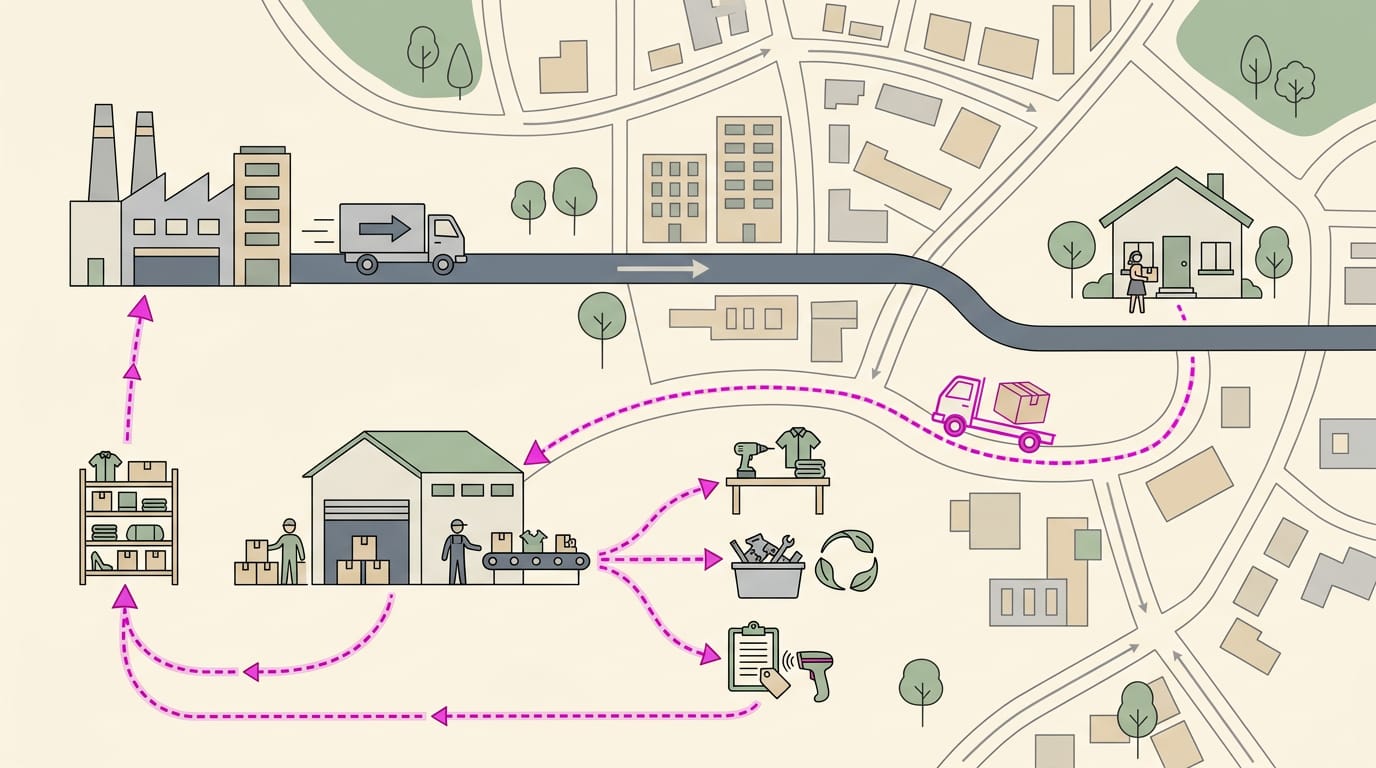
- Reverse channels move products back after the sale.
Selling straight to buyers with no middlemen
A direct channel has no intermediaries, so sales run through a company store, your own website, or direct sales by your staff. Take a salon owner who sells hair products at her front desk and takes bookings online.
She has full control over pricing, and nobody takes a cut.
Higher margins come with higher investment. You keep more of each sale, but you also carry more of the cost of selling it.
Using one or more middlemen to sell
The number of middlemen sets the channel levels. One middleman makes a one-level channel, two make a two-level channel, and three make a three-level channel.
Wholesalers, retailers, agents, and jobbers each add their own markup, so the price climbs at every level before it reaches the buyer.
You gain wider reach, but margins run lower and you have less brand control. A candle maker who sells through a town gift shop reaches buyers she’d never find on her own, but she has less say over how her brand looks on the shelf.
Count the routes covered here and you get five distribution channels:
- company stores
- websites
- direct sales
- wholesalers and retailers
- agents and jobbers
Combining direct and indirect channels at once
This is the omnichannel approach. Consider a bakery owner who takes orders on her website, through a delivery app, and at her busy counter. If the app has a slow week, the other routes keep orders coming, so she isn’t depending on any single route.
The risk is channel conflict. If the app lists her cakes higher than her counter, a regular may wonder which price is fair. Spread out, but plan it.
How products move back after the sale
Moving products back is more complex than moving them forward.
- Returns and recalls. Products come back from buyers, sometimes because of a problem.
- Recycling and refurbishment. Old or returned items get broken down for parts or restored for resale.
- Sustainability and compliance. Tracking what happens to each item supports both goals.
- Complex logistics. Moving items backward takes its own trucks, storage, and sorting.
How product type shapes channel length
Perishables, like fresh bread or cut flowers, tend to use shorter channels. Mass goods, like canned soup or phone chargers, tend to use longer channels. A florist who sells from her own shop has almost no steps between the cooler and the customer.
Short channels protect freshness. Long ones reach more shelves.
Who Takes Part in a Channel
Every product passes through a chain of players before a buyer sees it. Knowing who’s in that chain shows you where you’re paying for help.
The main players in the chain
We’ll start with the usual lineup:
- Manufacturer/producer: Makes or grows the product.
- Wholesaler: Buys in bulk and resells to businesses, not the public.
- Distributor: Stores and moves stock to retailers, often for several producers.
- Retailer: Sells to the end consumer in a shop, online, or through a delivery app.
- Agent or broker: Matches buyers and sellers for a commission, usually without handling goods.
- End consumer: Buys the product for their own use.
What each middleman actually does
A wholesale sale moves goods in bulk to businesses. A retail sale goes to the person using the product. The difference is who buys and how much they buy.
- Agents earn commission. They arrange sales for a percentage and rarely touch the goods.
- Jobbers and rack jobbers. A jobber buys in bulk and sells to retailers in a narrow product line. A rack jobber stocks and services display racks inside a retailer’s store.
- Title ownership. Title means legal ownership of the goods. Many wholesalers and distributors take title, so they carry the loss if stock doesn’t sell. Agents and brokers typically never do. Rack jobbers often keep title until an item sells.
Consider a candle maker with her own website and a monthly order to a local gift shop. Sales on her website are retail, so she keeps the full margin.
The shop’s order is wholesale: a lower price per candle, but the shop owns them once it pays, so the shop carries the risk if they sit. That’s the trade-off in one order.
The Jobs Channels Perform for a Business
A channel earns its place by doing real work. Here’s what that work looks like for a local business.
Moving, storing and carrying the goods
Products have to travel from maker to buyer, which is transportation, and they often wait on a shelf first, which is warehousing. Inventory management keeps enough on hand without tying up cash in stock that sits.
The real question is less about where goods go and more about who holds them while they wait. That holder also takes on risk bearing: if an item spoils or never sells, the loss is theirs.
Take a bakery owner who sells at her counter and through a delivery app. She bakes extra for the app’s lunch orders, so neither channel runs dry at noon.
Financing, promoting and supporting customers
Channels also carry money and information.
- Financing and credit covers who fronts the cost of stock or lets a customer pay later.
- Promotion and merchandising gets the product noticed and displayed where buyers look.
- Customer support handles the questions, returns, and complaints after the sale.
- Market feedback flows back the other way: which items sell, which questions repeat, what buyers wish you carried.
A plumber who takes bookings online notices the same question keeps coming up: can he come on Sunday? He adds weekend availability to his listing, so the next person searching for a Sunday plumber finds him first. Every repeated question is a free clue.
Ways Companies Approach Distribution
Before you pick where your product lands, decide how many outlets should carry it and who does the heavy lifting.
How widely to spread your product
Companies pick one of three coverage levels:
- Intensive distribution (mass distribution) puts a product in as many outlets as possible, like the snacks and batteries you’ll find at gas stations, grocery stores, and pharmacies.
- Selective distribution uses a limited set of chosen outlets, like the few retailers that carry many home appliance brands.
- Exclusive distribution gives one seller, or very few, rights in an area, like a single authorized luxury car dealer in a town.
A bakery that sells only from its own counter keeps full control of freshness but reaches few people. Adding two nearby cafés and a delivery app moves it toward selective distribution. Each step up in coverage trades control for reach.
Pushing through partners or pulling in shoppers
In a push strategy, you target distributors and retailers with trade discounts, training, and incentives so they stock your product.
In a pull strategy, you target shoppers with advertising and promotions so they ask for it by name and demand pulls it through the channel.
The real split is who you persuade first: the partner or the shopper.
Push-heavy plans lean on:
- personal selling
- trade shows
Pull-heavy plans lean on:
- advertising
- coupons
- consumer promotions
Take a salon owner who makes her own hair care line. A wholesale discount and staff training for a nearby spa is a push move that keeps the spa’s shelves stocked.
A short social ad showing the product in use is a pull move that has clients asking for it by name. Push fills shelves, and pull empties them.
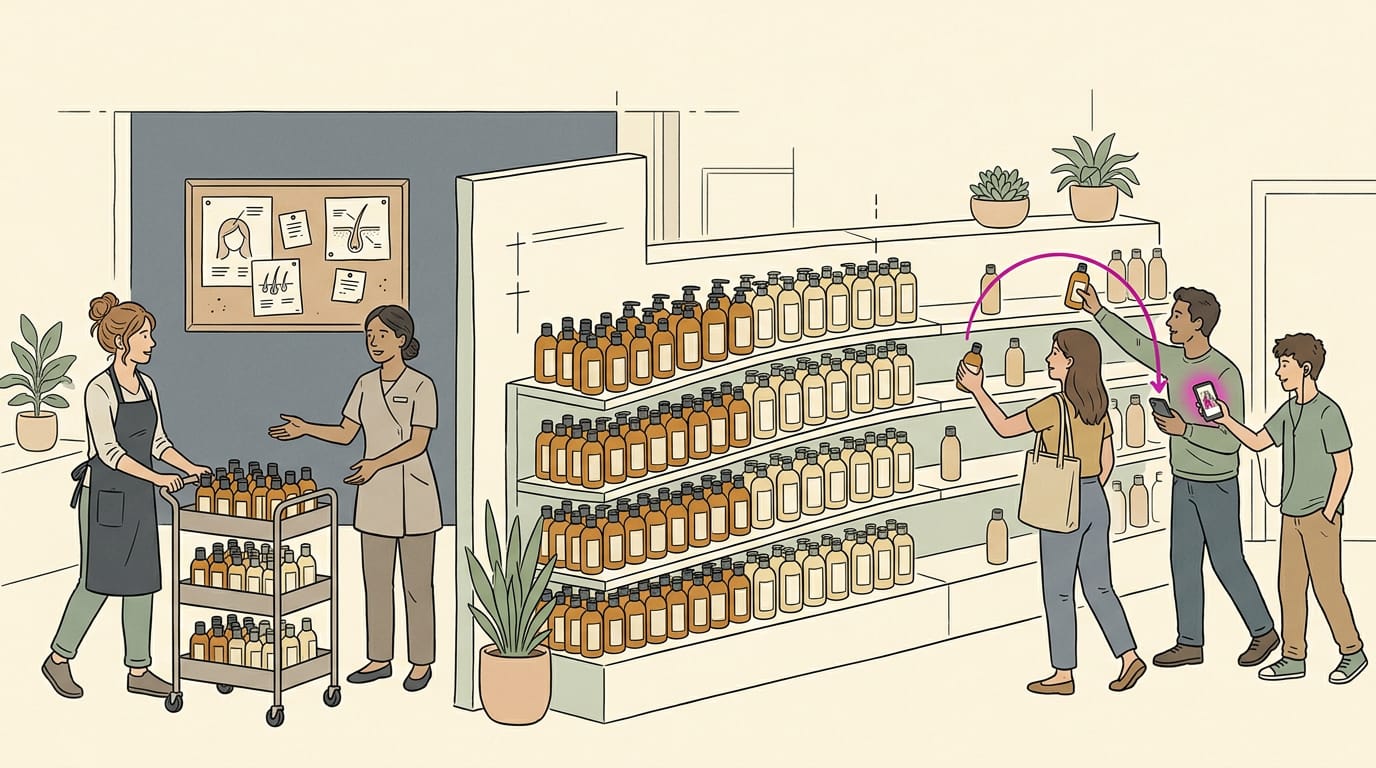
How to Choose Your Channel Strategy
Your mix depends on what you sell, who buys it, and what you can manage.
What should shape your channel choice
- Market characteristics. Who buys and where they look.
- Product characteristics. Is it perishable, bulky, or does it need a visit?
- Competitor characteristics. Where rivals show up.
- Company resources. Staff time, budget, and cash.
- Geographic scope. One neighborhood or a wider region.
Think of a bakery owner who takes wedding cake orders from nearby towns. A wholesale distributor makes little sense for a single oven, but her own site with an order form takes orders while she’s baking.
Weighing control against speed to market
Your own site gives you control over price and message but takes longer to build. Intermediaries, such as delivery apps, reach people fast but take a cut. You’re trading control for speed.
Cost and profitability. Commissions and your time aren’t free. A delivery app brings extra orders, but if its cut leaves little per order, they may not pay. Track profit per sale, not just sales count.
Most businesses end up with a hybrid approach, mixing direct and indirect channels.
Direct-first for local shops. Start with your own site, map listing, and booking link. Add a delivery app once the margins check out. Control first, reach second.
Adding channels when entering new markets
Add channels when your current ones are maxed out or you enter a new area. Add one at a time to see what each brings in.
When selling abroad, a local distributor already knows the buyers, paperwork, and shipping routes.
Partners speed entry by sharing customers who already trust them, like a salon and a bridal shop referring clients to each other.
How Online Channels Are Changing Sales
Online selling has changed where customers find you and who takes a cut.
Where online sales happen today
- Company websites. Sites you own, where customers buy directly.
- E-commerce marketplaces. Big online stores that host many sellers.
- Social commerce. Buying straight from a social media post.
- Subscription services. Customers pay on a set schedule for regular deliveries.
- Mobile apps. Shopping apps that keep customers a tap away from ordering.
- Map listing as a local channel. The profile customers see when they search nearby.
Think of a salon owner whose map listing shows current hours and a booking link. A customer searching at 11pm can book on the spot instead of waiting for morning.
When online sales cut out middlemen
E-commerce can remove intermediaries from a distribution channel, a process known as disintermediation. A paper titled E-commerce and the undulating distribution channel describes it as the elimination of one or more organizations from the channel.
- Category killers. Big specialty retailers that dominate one category. You can’t beat them on stock, so compete on service instead.
- Consumer channel switching. Shoppers browse on a phone, then call or visit, so be easy to find on every channel.
- M-commerce growth. Buying on a phone or tablet, known as m-commerce (mobile commerce), keeps gaining ground, so your site must work on small screens.
Benefits and drawbacks of online channels
- Global reach. Buyers beyond your town can find what you sell.
- Data insights. Sales data shows what customers view and buy.
- High competition. You’re up against more sellers for the same customer.
- Platform fees. These add costs. A paper in the Journal of the European Economic Association raises concerns about the high fees platforms charge suppliers.
- Trust and cybersecurity. Customers need to trust how you protect their payments and personal details.
- Delivery app commission costs. Apps take a cut of every order, so run the numbers first.
Count the fees before you count the orders.
Managing Channels and Their Common Problems
Signing a partner is the easy part. Keeping that partner productive takes steady attention.
Choosing, training and rewarding partners
Start with criteria-based partner selection: write down what a good partner looks like before you sign anyone. A bakery owner comparing two delivery apps might weigh:
- local reach
- fees
- support
Then train each partner with a one-page guide to your menu and prices. Set incentives and margins that reward results rather than volume, and watch for negative actions, like a partner discounting your prices without asking.
They’re risky, because your name is on every sale.
Handling clashes between channel partners
Vertical conflict happens between levels of a channel, like a supplier and its reseller. Horizontal conflict happens between partners at the same level, like two resellers chasing the same customers.
Territory disputes start when two partners claim the same street, so put boundaries in writing. For pricing pressure, publish a price guide and say what happens when someone ignores it.
Settle clashes early rather than loudly: talk first, bring in a neutral mediator if that stalls, and write down what you agreed.
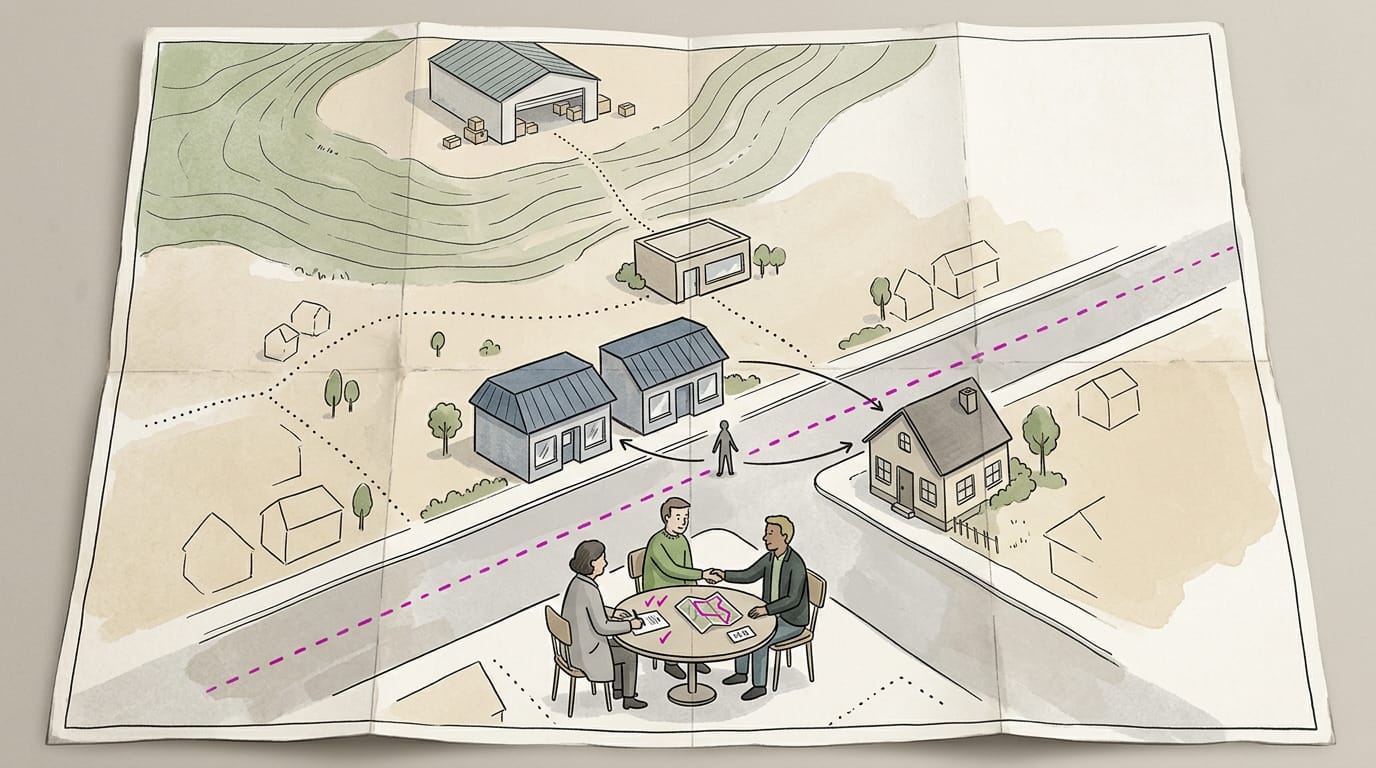
Tracking partner results with the right tools
Watch key performance indicators (KPIs), the few numbers showing whether a partner is working, and review them monthly. Customer relationship management (CRM) software and attribution tracking record which channel brought each customer in.
A salon owner who asks new clients how they heard about her can see which partner is sending business.
Enterprise resource planning (ERP) software and supply chain management (SCM) tools keep stock and orders in sync, so you won’t sell the last loaf twice. Finally, set clear communication protocols: who answers a late order, and how fast?
Put it in writing so nobody is guessing at 9pm.
Downsides and costs you might miss
Every channel has a price, and some of it hides in plain sight:
- Reduced margins. Partners take a cut, so the sticker price isn’t what you keep.
- Loss of control. Partners decide how your product is shown, priced, and described.
- Dependency on partners. If one app brings in much of your business and changes its fees, your income can shift fast.
- Duplicate inventory costs. Stock split across channels can mean paying to store and count the same items twice.
Know these costs before you sign.
Real Examples of Distribution Models
Every model answers one question: how does the product reach the buyer? Here’s how well-known brands and familiar industries answer it.
Business models brands use to sell
- Direct-to-consumer (DTC) e-commerce. Warby Parker sells its eyewear directly to customers through its own website, so it owns the customer relationship.
- Retail partnerships. Coca-Cola reaches shoppers through the stores and restaurants where they already buy.
- Wholesale distribution. A manufacturer sells in bulk to a wholesaler, who resells in smaller lots to retailers.
- Online marketplaces. Amazon hosts many sellers on one platform, so a small brand can reach shoppers without building its own storefront.
- Franchising. McDonald’s licenses its name and system to franchisees, who run individual restaurants under its rules.
Local shops use the same logic. A bakery owner offering click-and-collect lets customers order cakes online and pick them up Saturday morning, so phone orders stop swamping the counter.
How insurance, travel and luxury sell
Plenty of products are sold by a person, not a shelf. An insurance agent sells for one insurer, while an insurance broker shops several insurers on behalf of you.
Travel agents usually earn a commission, a share of each booking paid by the airline, hotel, or tour operator, so their income depends on the bookings they close.
Luxury brands choose few outlets over many, selling through their own boutiques and carefully picked stores to protect the image that justifies the price. Fewer doors, more prestige.
Service businesses run the same play through bookings. A salon owner whose clients pick their own chair times online stops the front desk from playing phone tag between cuts. Same goal, different road.
Selling to Businesses Versus Consumers
Who’s on the other side of the sale changes how you sell. Here’s what sets the two apart.
How business and consumer buyers differ
Business-to-consumer (B2C) means selling to individuals, like a salon booking a haircut. Business-to-business (B2B) means selling to companies, like a sign shop landing a contract with a real estate office.
B2C emphasizes experience. Customers often decide in a single visit, based on how the place feels and what the reviews say.
B2B buyers face a longer sales cycle, the time from first contact to a signed deal, often across several conversations.
Management needs differ too. B2B deals need someone tracking open opportunities and following up on schedule. Picture a plumber landing a property manager’s maintenance contract, where the person who calls isn’t the one who signs.
Follow-ups belong on a calendar, not in memory.
Experience wins the walk-in. Follow-through wins the contract.
Finding leads through partners and touchpoints
Channel partners source leads. A channel partner is a business that refers customers to you. A commercial electrician might get jobs from a local builder who doesn’t do wiring. Ask the businesses you already work with who else they know.
Map your customer journey touchpoints: every moment someone interacts with your business, from a map listing and your website to a call, a reminder text, and a review.
Attribution means working out which channel earns credit for a booking. Ask every new customer how they found you. If a dental office keeps hearing, “My family doctor sent me,” that referrer deserves a closer relationship.
Track the answers, and the guesswork goes away.
A distribution channel is the path your offer takes to reach the people who need it. Once you see your options as routes, you can decide which to keep, strengthen, or drop.
For a local business, that means a website and map listing that are easy to find, simple online bookings, and listings on the delivery apps your customers already use. Steady fixes on each route add up to a busier front desk.
Every customer is already walking one of these paths, so make sure each one leads straight to you.
References
- Regulating Platform Fees | Journal of the European Economic Association — academic.oup.com (2024)
- E-commerce and the undulating distribution channel — dl.acm.org
Questions
What is a 3-level distribution channel?
A 3-level distribution channel has three intermediaries between the producer and the end customer. For example, a product may pass through an agent, a wholesaler, and a retailer before reaching the buyer.
What are the four main types of distribution channels?
The four main types are direct, indirect, combined, and reverse distribution channels. Direct channels sell straight to buyers, indirect channels use intermediaries, combined channels use both approaches, and reverse channels move products back after a sale.
What are the five distribution channels?
Five common distribution routes are company stores, websites, direct sales, wholesalers and retailers, and agents and jobbers. These routes vary in whether the producer sells directly or relies on intermediaries.